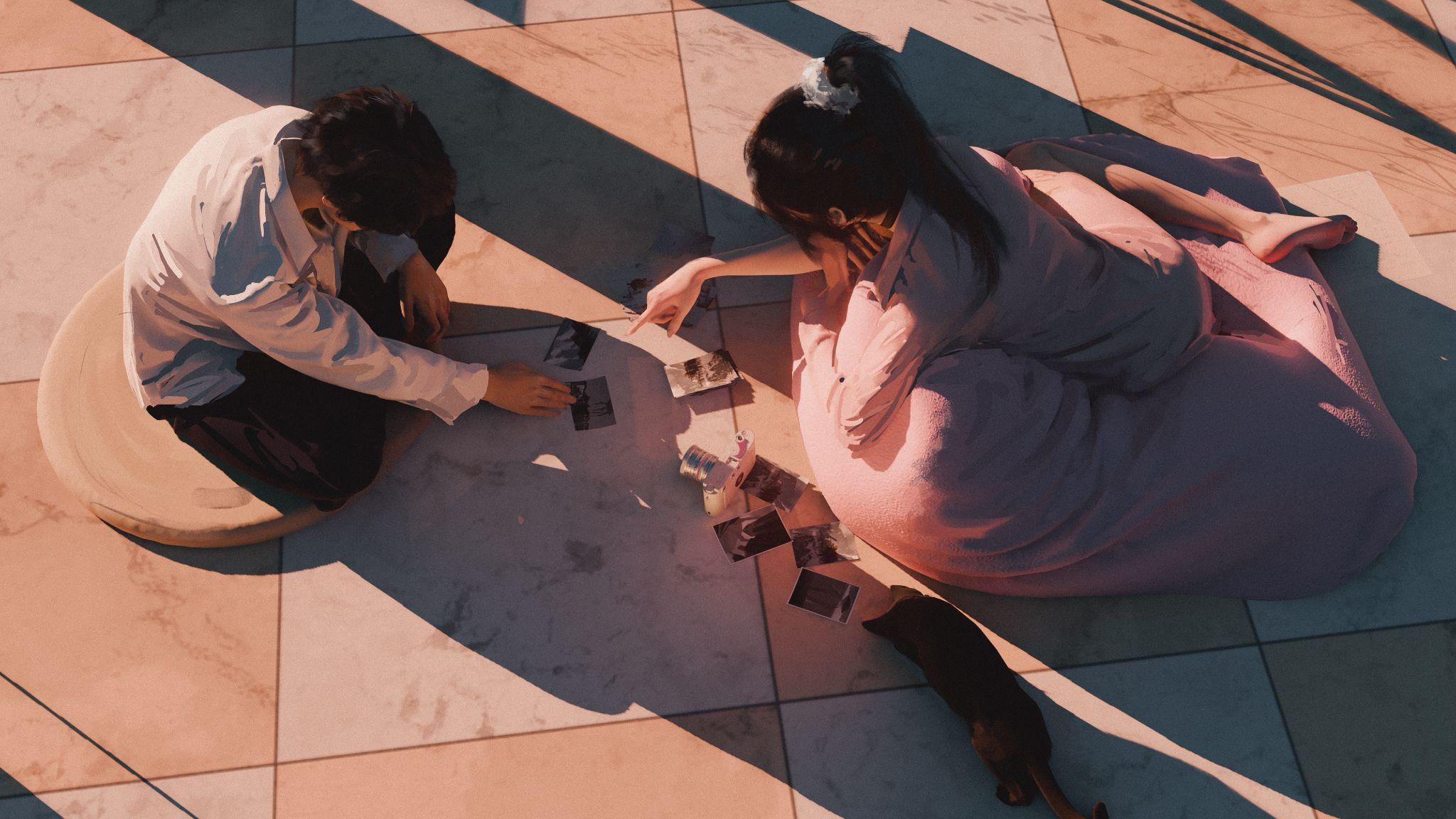
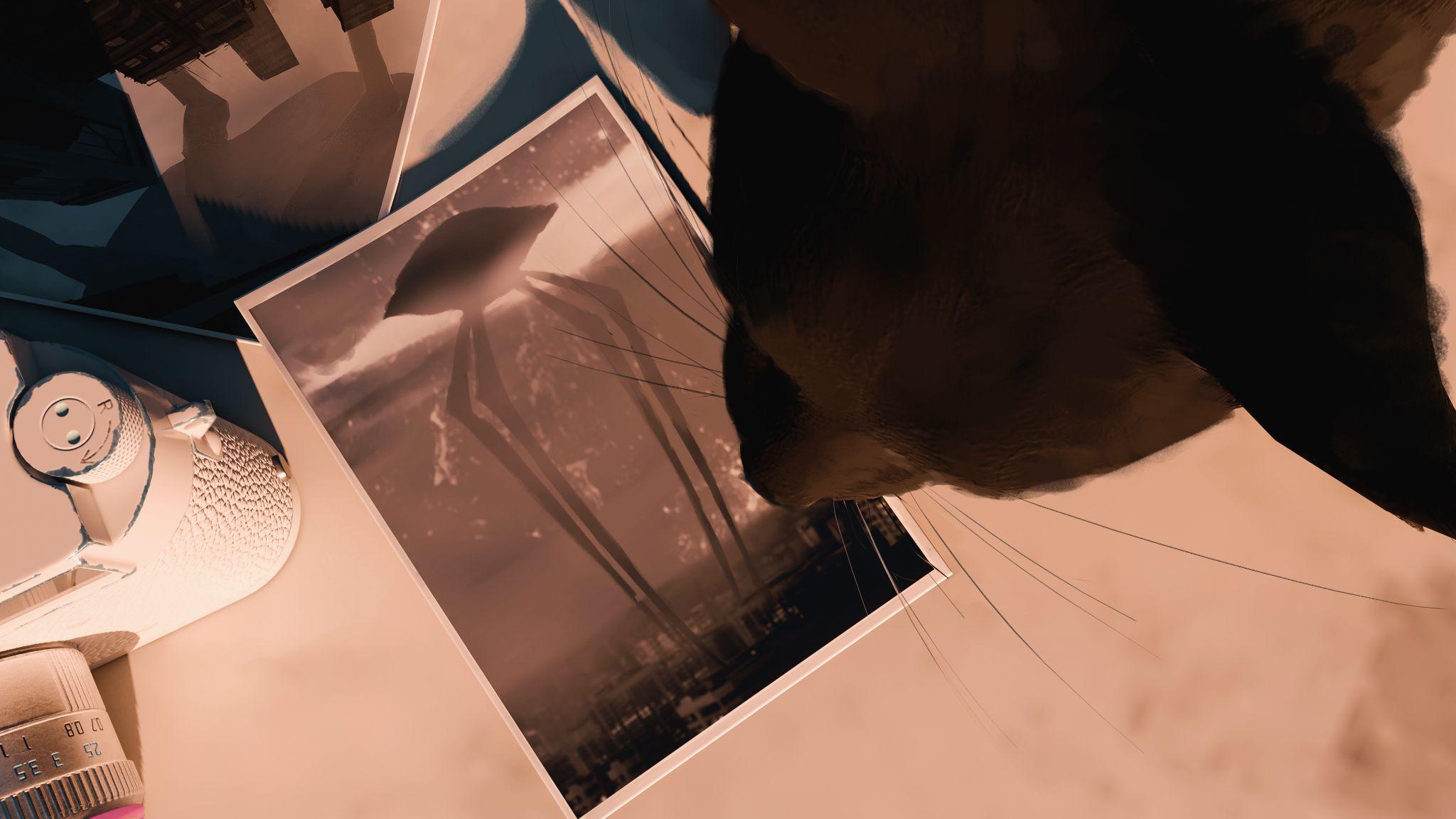
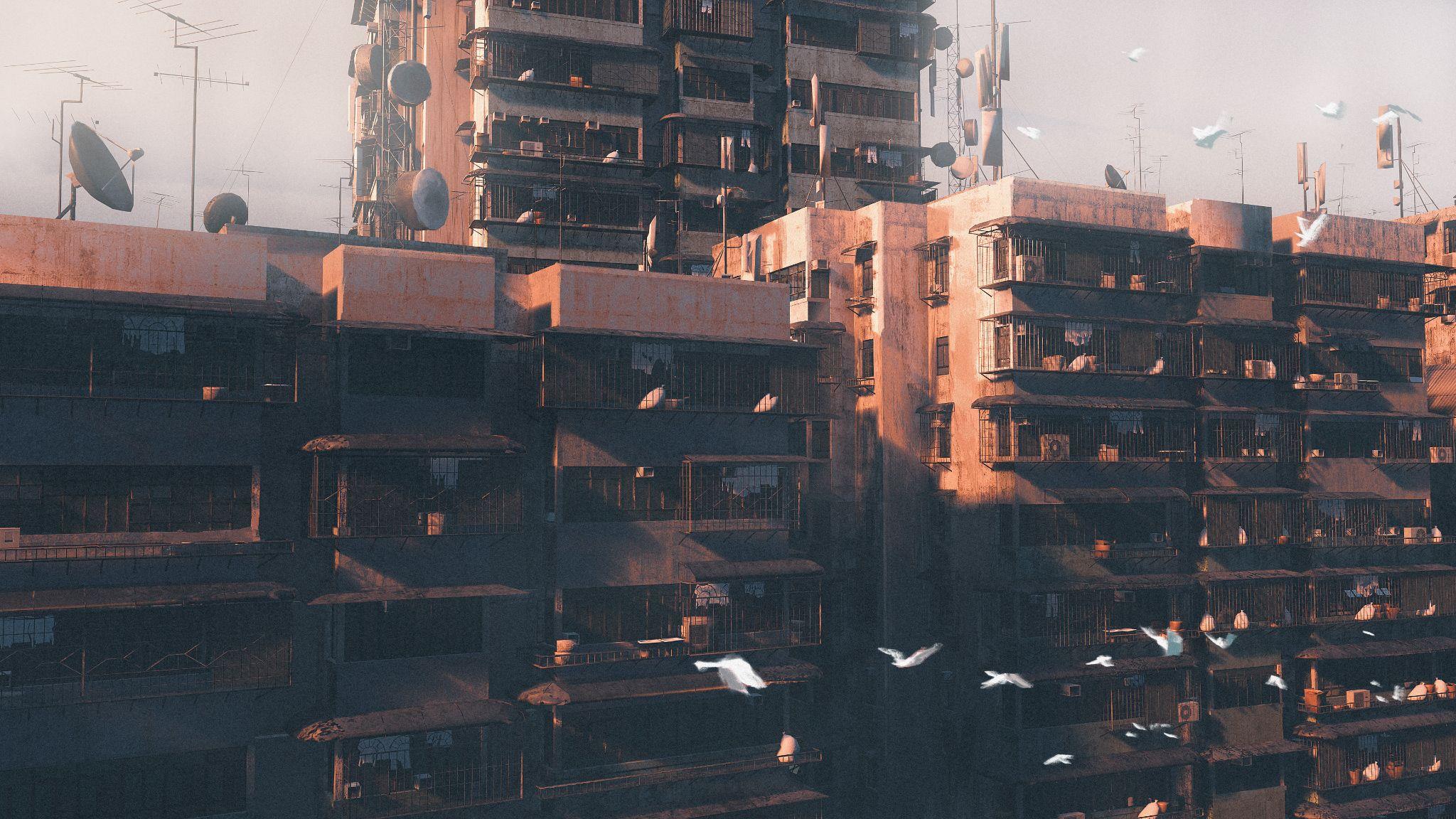
“The Potala Palace? Wait... under that cloud layer... is that Pangu? This angle is insane. Don’t tell me you climbed some cliff to shoot this?”
“Nope. I was just standing on a derelict observation deck. Last summer I followed it—CloudInsect No. 1, ‘Pangu.’ Rode all the way into southern Tibet along its predicted path.”
“You biked through Tibet, chasing Pangu for photos... Your life is unreal.”
“And someone like me is worthy of admiration from a top student like you?”
“Absolutely. Totally worth it. Did you shoot this on... film?”
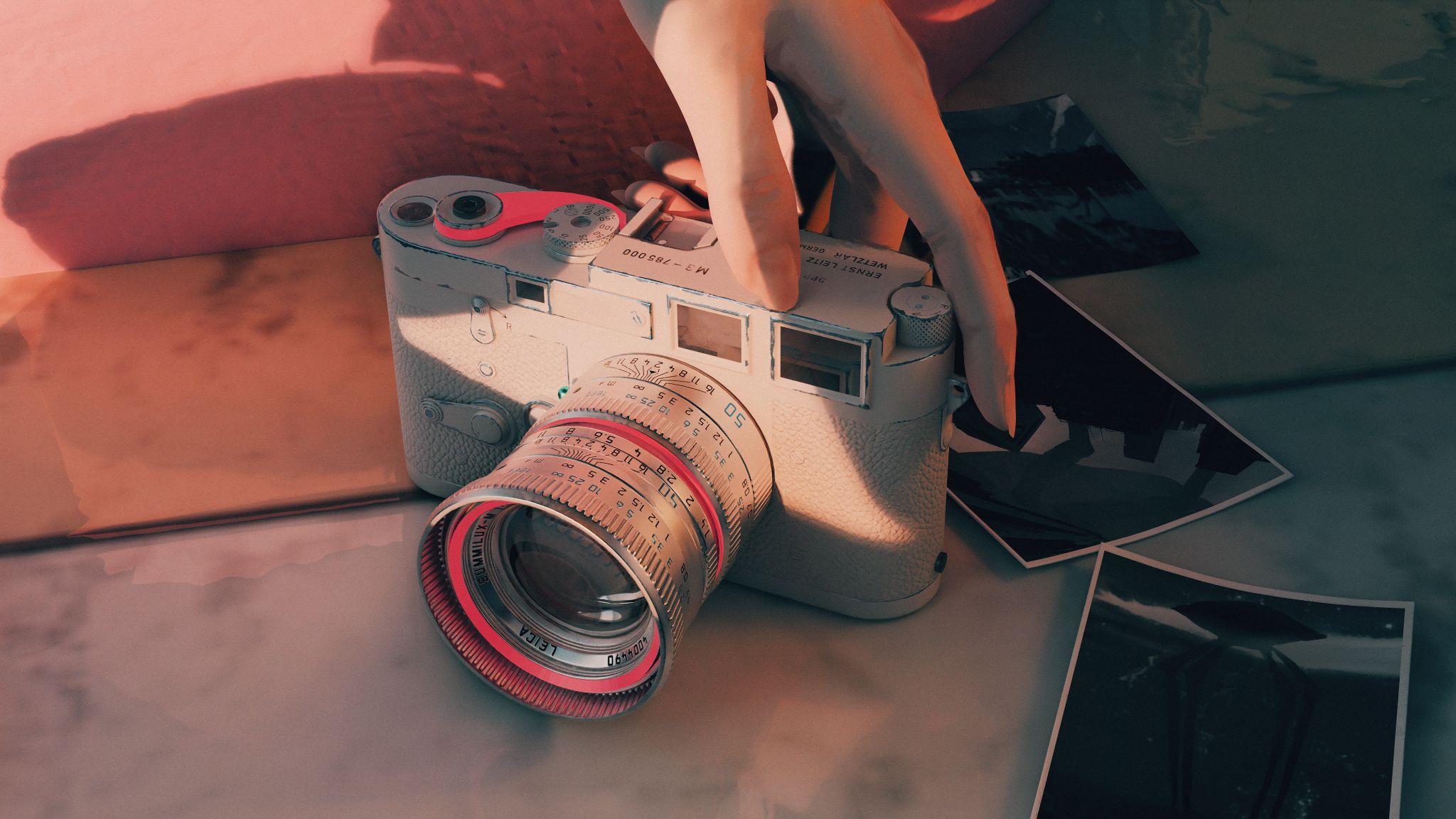
“Yeah. With this.”
“It suits you. You sure you're not a time traveler from the ’90s?”
“Film develops this grayish tone that digital can never replicate.”
“But places that close to a CloudInsect... aren't they restricted zones?”
“Spoken like a true model student. They only establish restricted zones when CloudInsects pass through cities. Out in the wilderness, who would bother?”
“Do you always... go alone?”
“Would you prefer I always go alone?”
“I...”
“Don't overthink it. Who else would be crazy enough to do this with me? Here—this one’s my favorite. I’ve never shown it to anyone. I think you’ll be interested.”
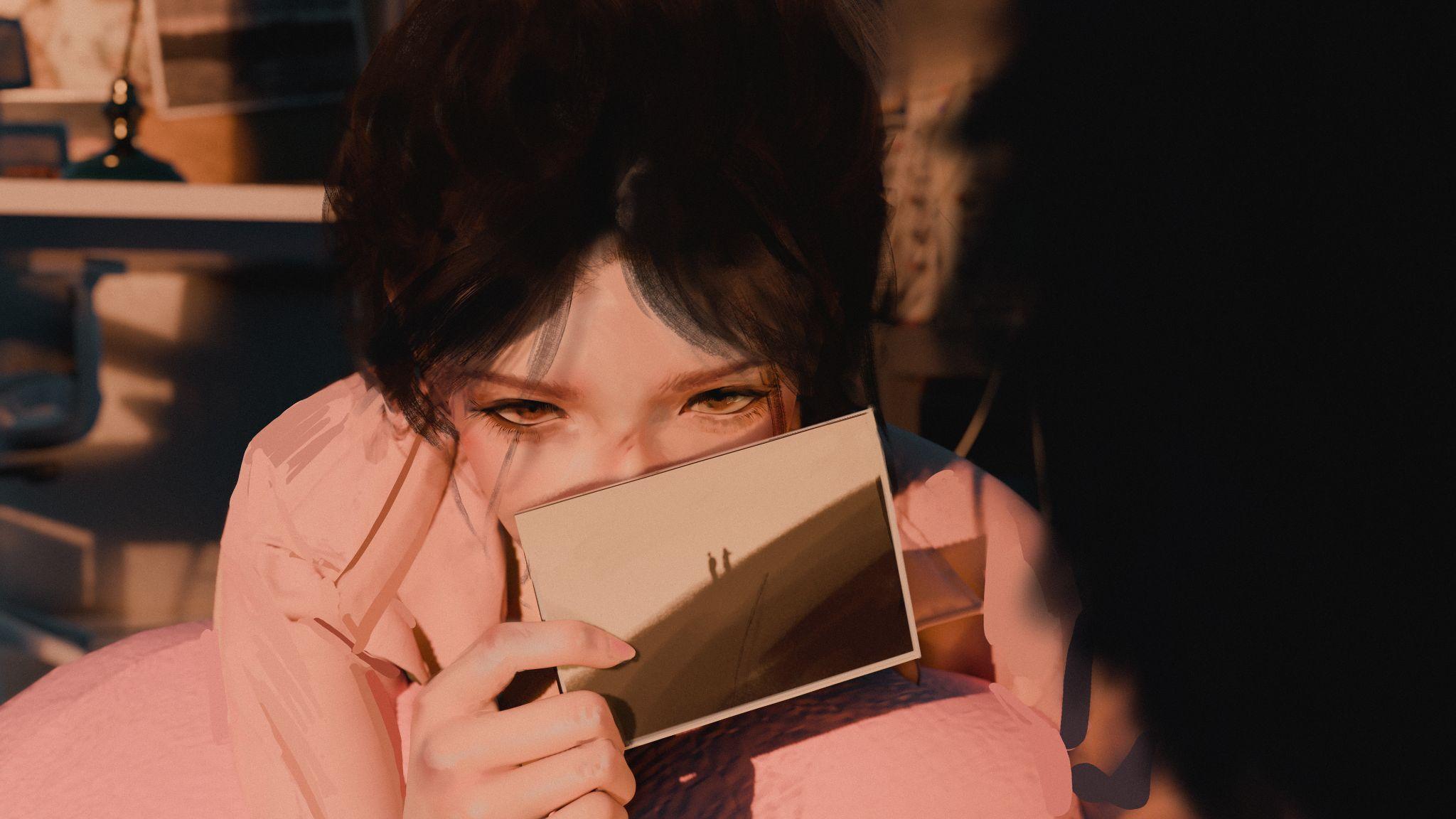
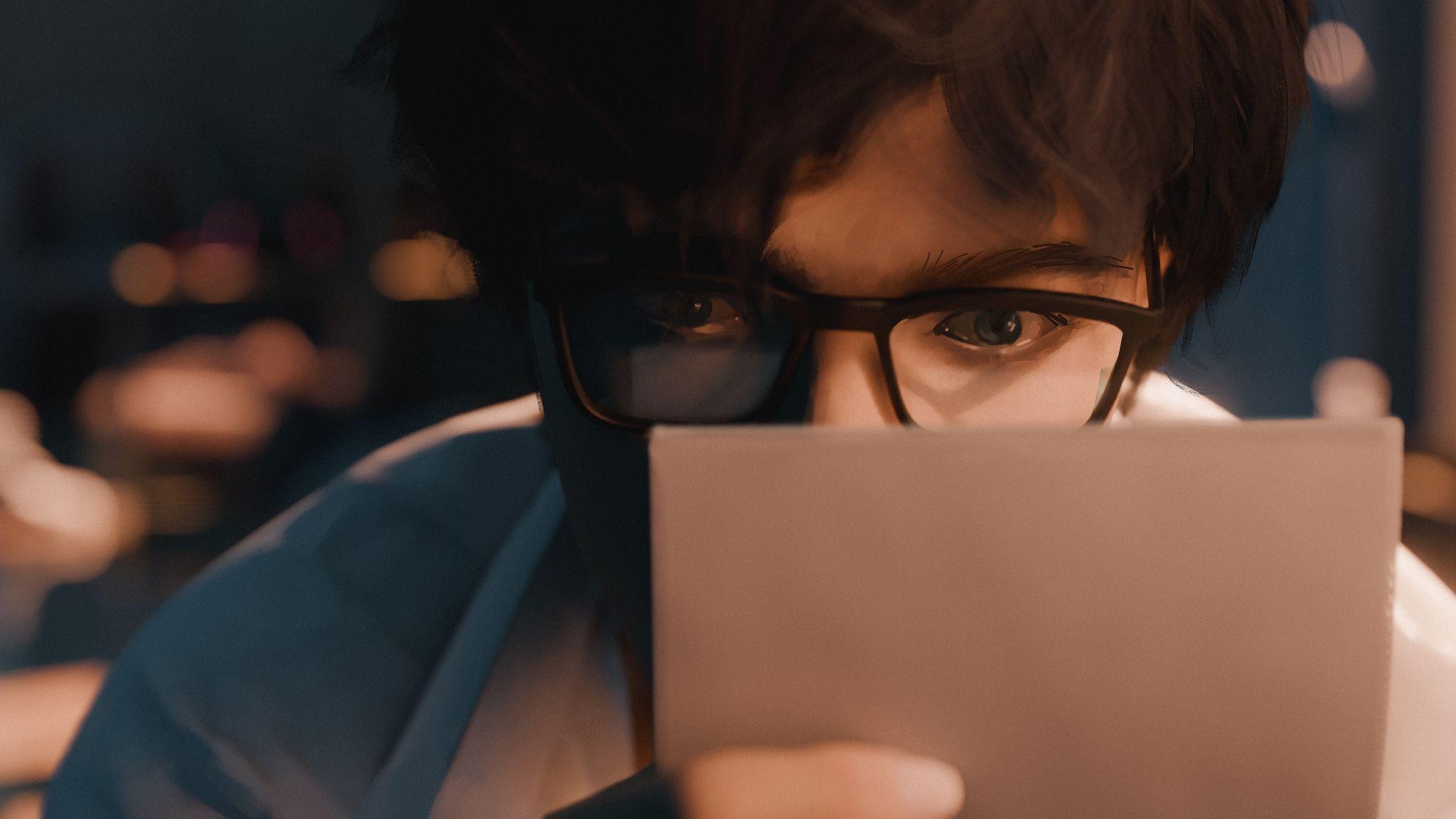
“It’s blurry... two figures? Shot with a telephoto lens? Wait—”
“You captured a Cloud Dweller?!”
“Are you sure?”
“What else could it be? The scale, the position... those figures are clearly on the surface of the CloudInsect. How did you even take this?”
“That time the CloudInsect passed over the Yarlung Tsangpo River, I waited overnight on the opposite bank. Took the shot at 5 a.m. I wanted to get closer, but the place was... unnaturally silent. No birds, no wind—just this low-frequency hum circling inside my ears. You feel this instinctive urge to step back, like something unseen is watching you. Stranger still—when I came back, the entire roll of film was overexposed... except this one.”
“Weren’t you scared? Alone, in the middle of nowhere—no one around. A colossal CloudInsect, and those... strange figures?”
“I don’t know why, but lonely, desolate places where no one answers… they make me feel safe. I like CloudInsects. Vast, silent, solitary—looking down upon all life, yet never drawing near. They’re beautiful. Like an ancient god who slumbered for a thousand years, only to awaken and find that no one remembers its name.”
“...You’re insane.”
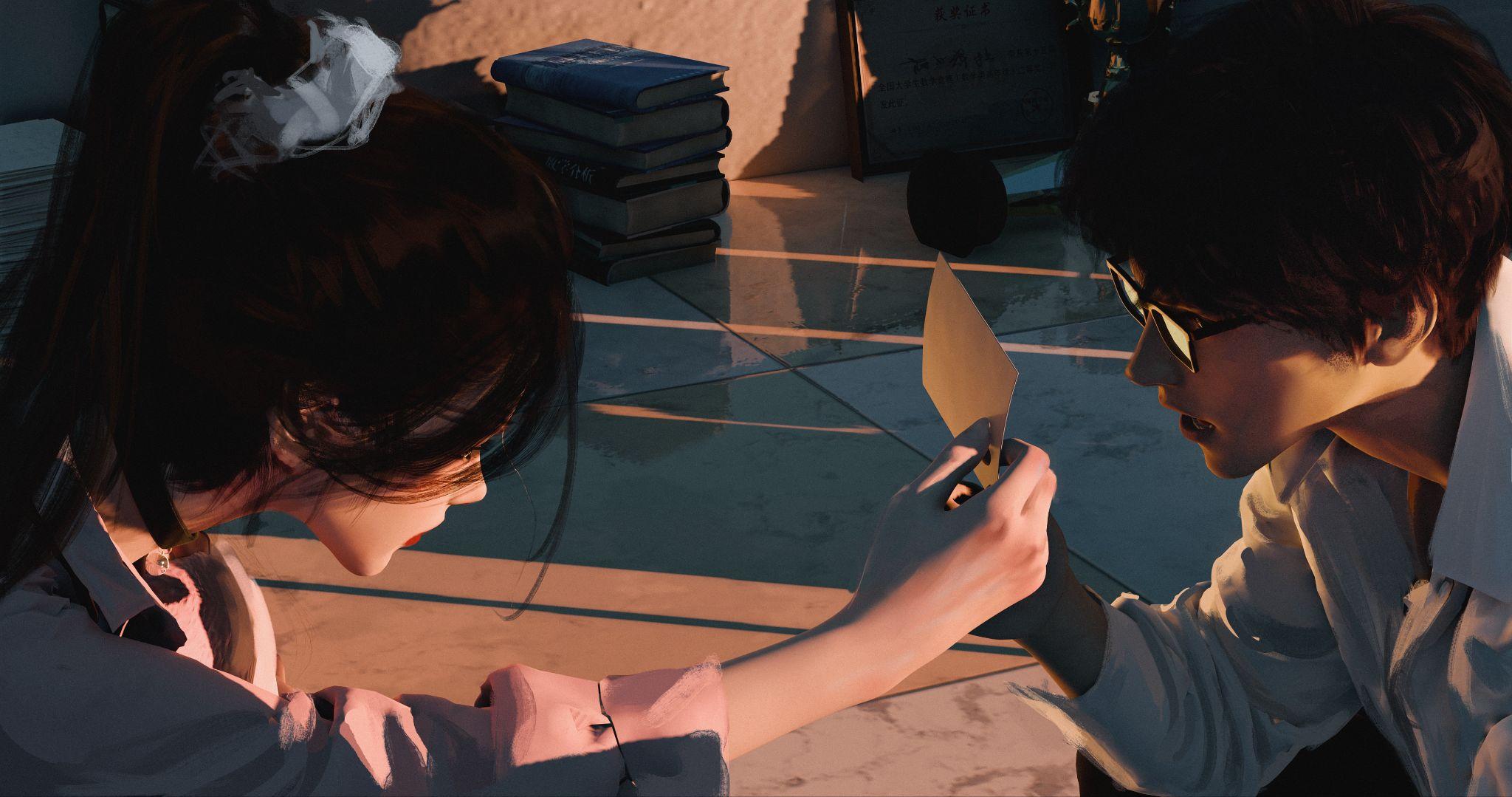
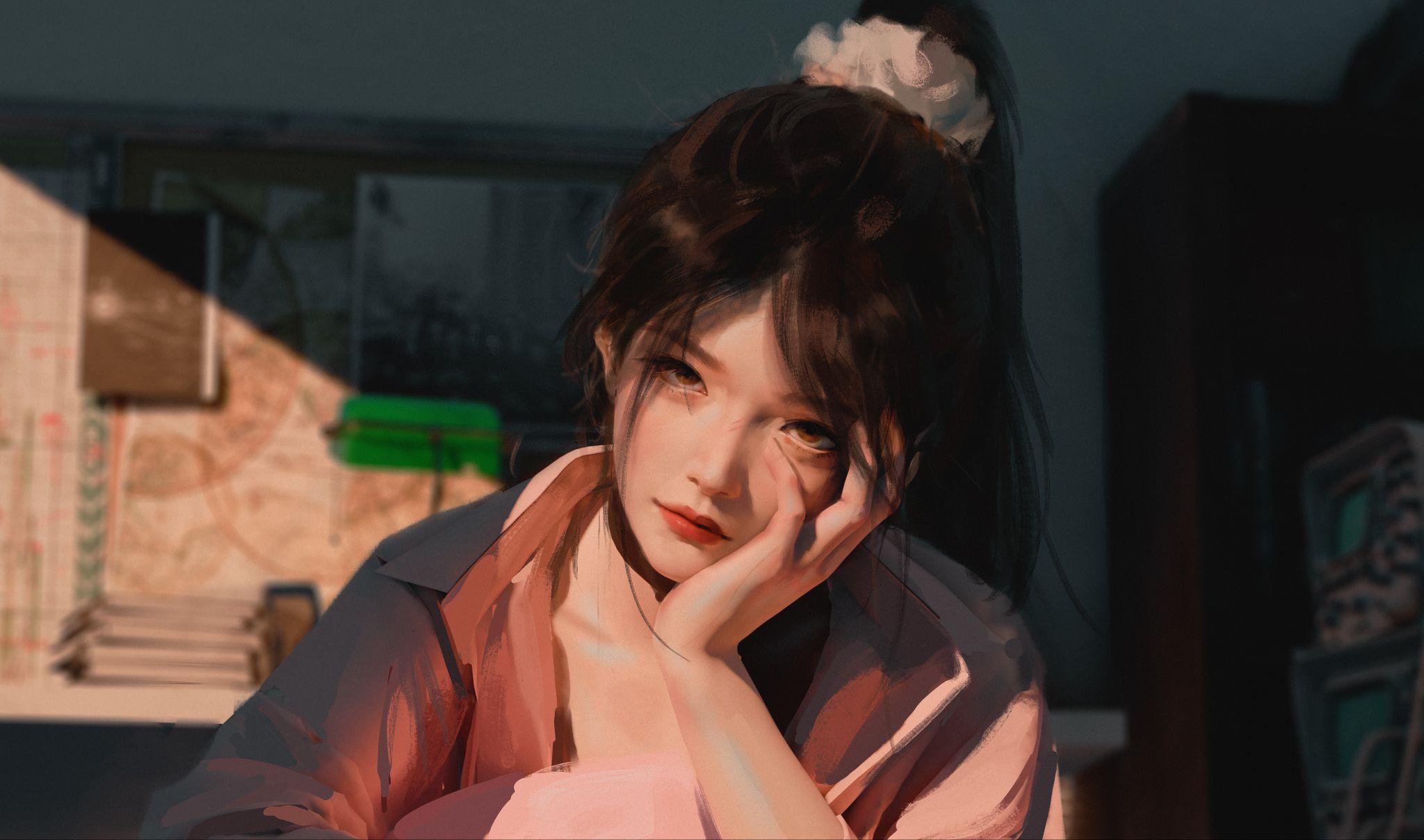
She smiled, a subtle, unreadable provocation in her eyes—like a cat who knows it’s already slipped past the rules, lazily watching others still stuck playing by them. The afternoon light angled in, catching the faintest curve at the corner of her eye.
“Didn’t you say I looked like I came from the ’90s? Back then, kids loved running into the wild.”
“Sure, but none of them were chasing CloudInsects.”
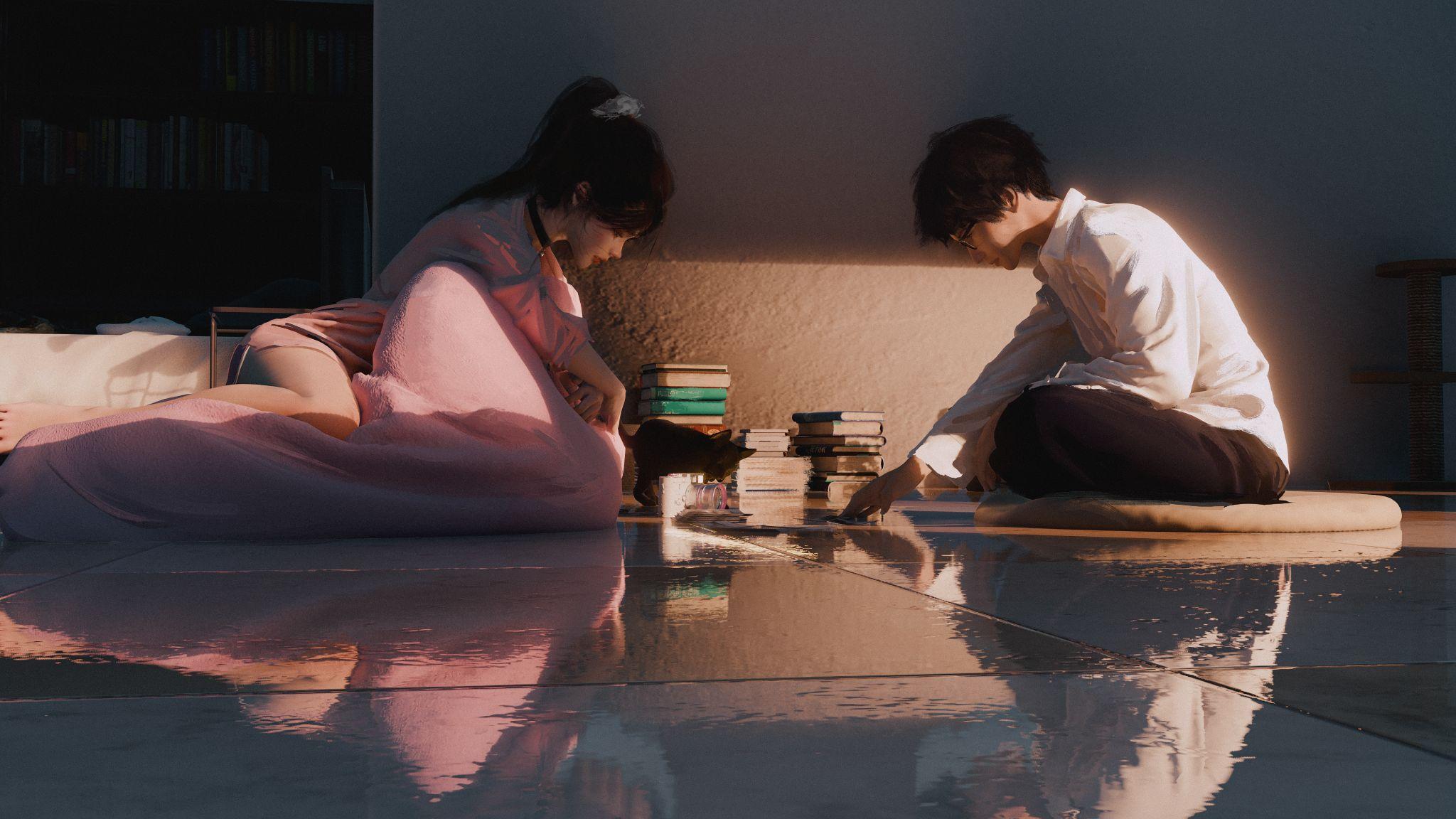
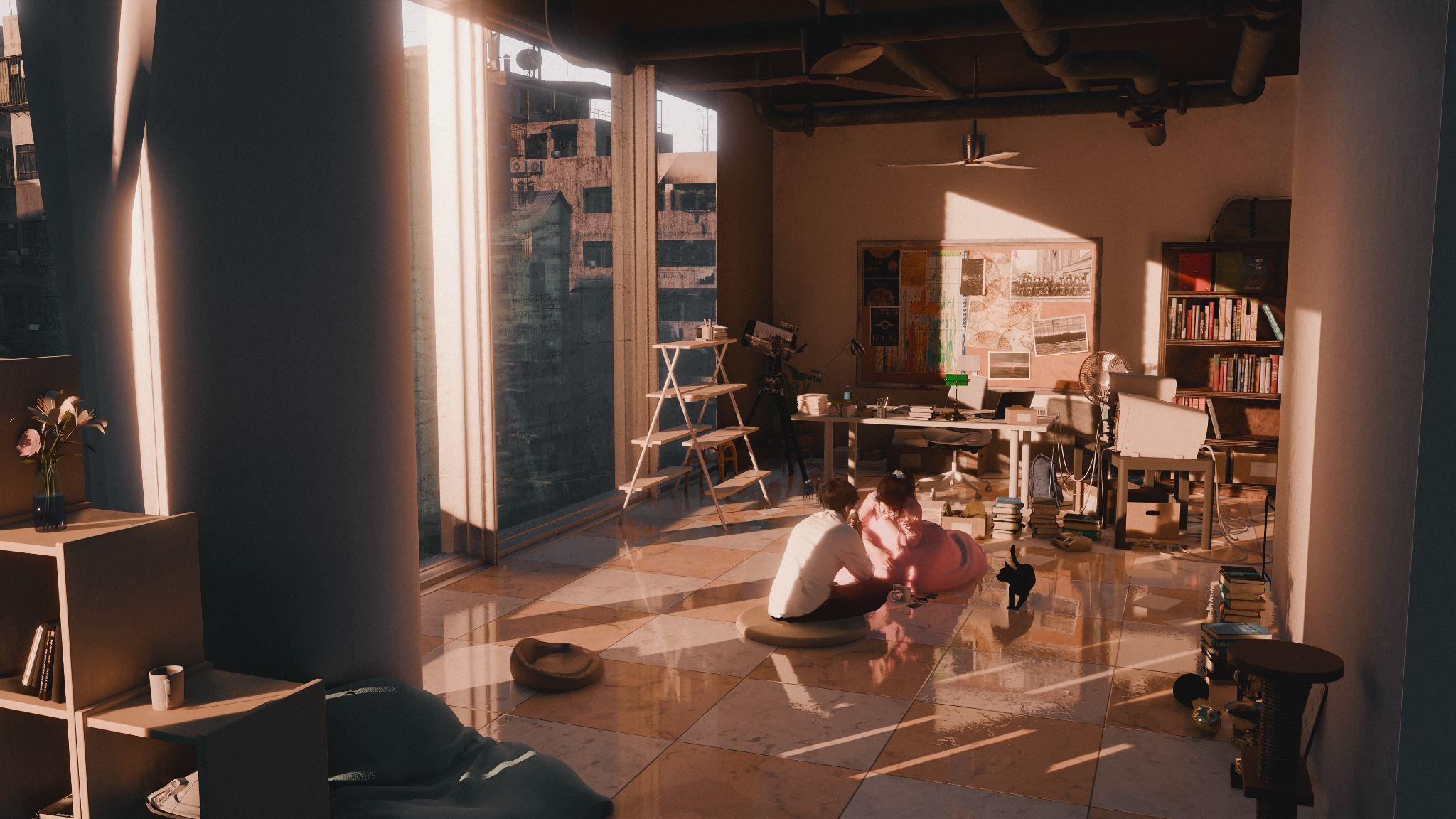
They both laughed—a brief sound, scattering softly in the golden light pouring through the floor-to-ceiling windows.
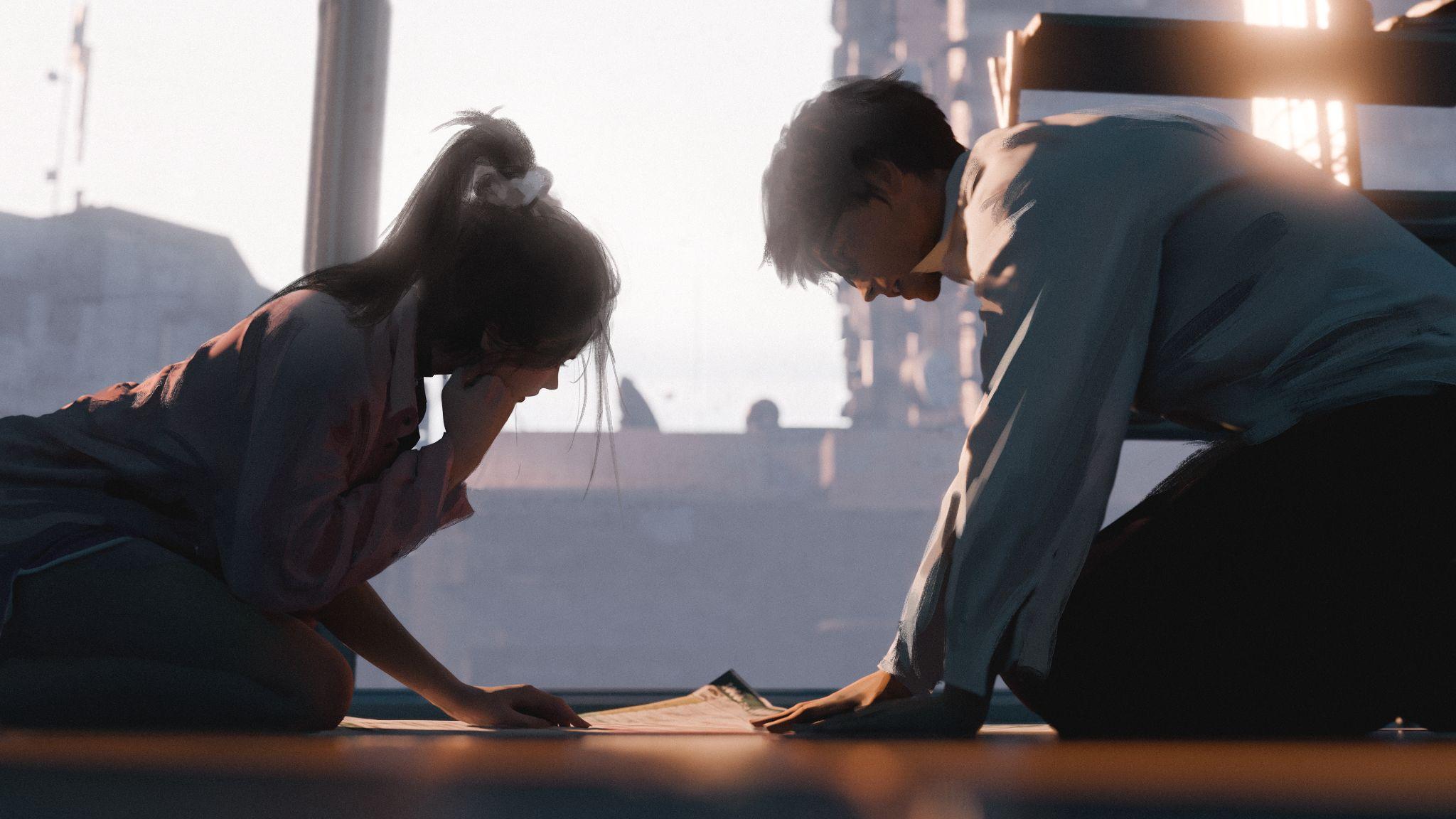
Mahina rested her chin on one hand, fingertips tapping the ground idly. Her gaze drifted sideways, unapologetic—perhaps even a little proud—about her strange obsession. Suvan lowered his eyes to the photo still in his hand, his fingers unconsciously tracing its edges.
“Did you ever post this online?”
“No. You’re the first person to see it. —So, do you believe Cloud Dwellers really exist?”
“I do. From ancient murals to medieval manuscripts, civilizations across time have recorded similar figures. It can’t be coincidence.”
“I think so too. I was reading Chronicle of Eras once—someone interpreted the term ‘The Figure in the Cone’ as referring to Cloud Dwellers. There’s even a nursery rhyme from our Spring and Autumn period that mentions them. And film cameras? They've only existed for a little over a century. Some say the ancients were just describing natural phenomena.”
“Right. At the end of the last century, there was that Nordic extreme athlete—he parachuted onto a CloudInsect. The footage he brought back showed a seamless surface, no dust, nothing to scrape off. No signs of life at all.”
“I remember that. He said the CloudInsect felt like a complete, sealed machine.”
“Ancient people saw them and called them gods. Medieval folks called them ‘Cloud Messengers’ or ‘Spirits of Light.’ And modern science? It reduces them to optical illusions—atmospheric mirages caused by electromagnetic anomalies. The more advanced we become, the poorer our imagination gets.”
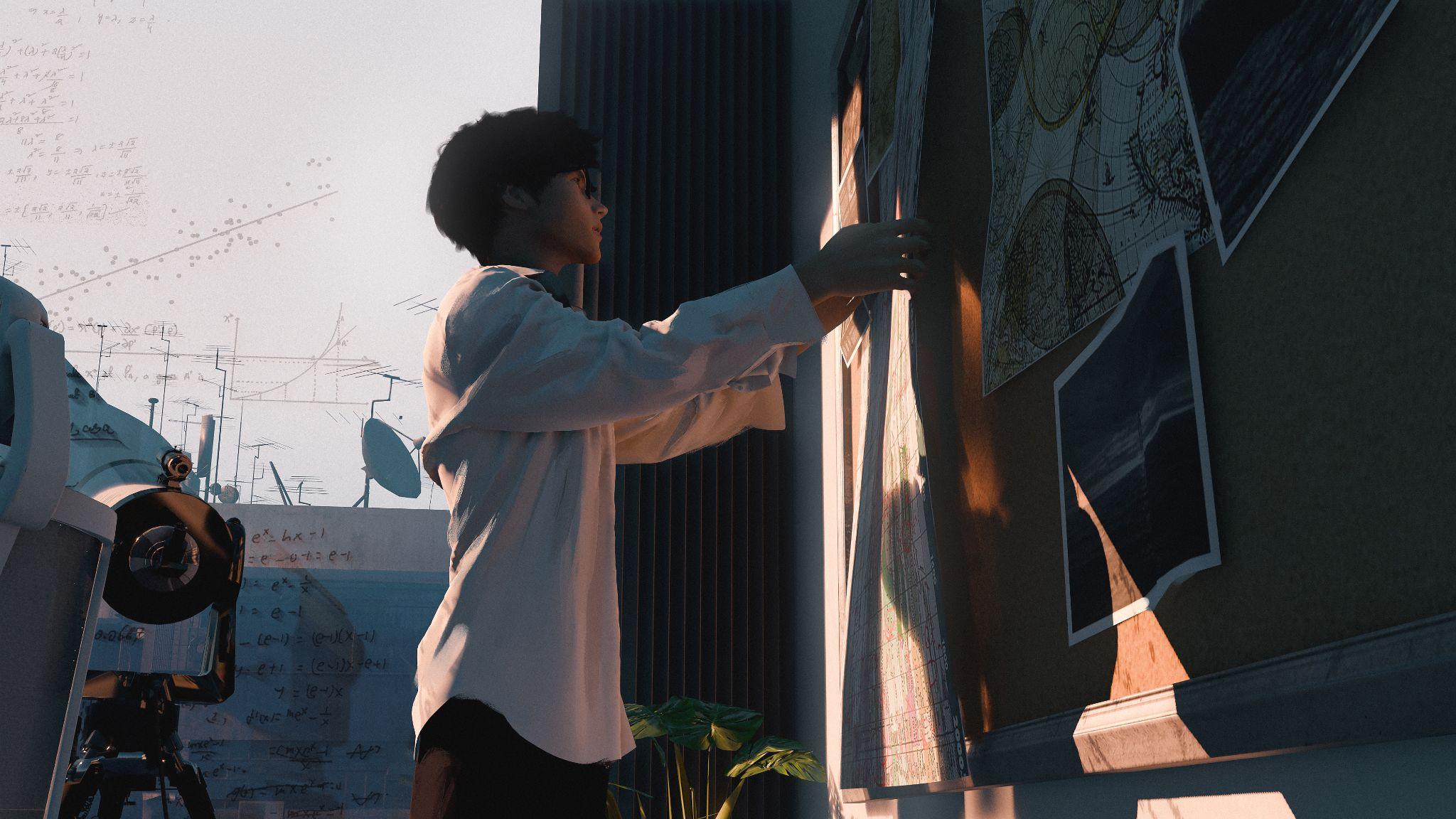
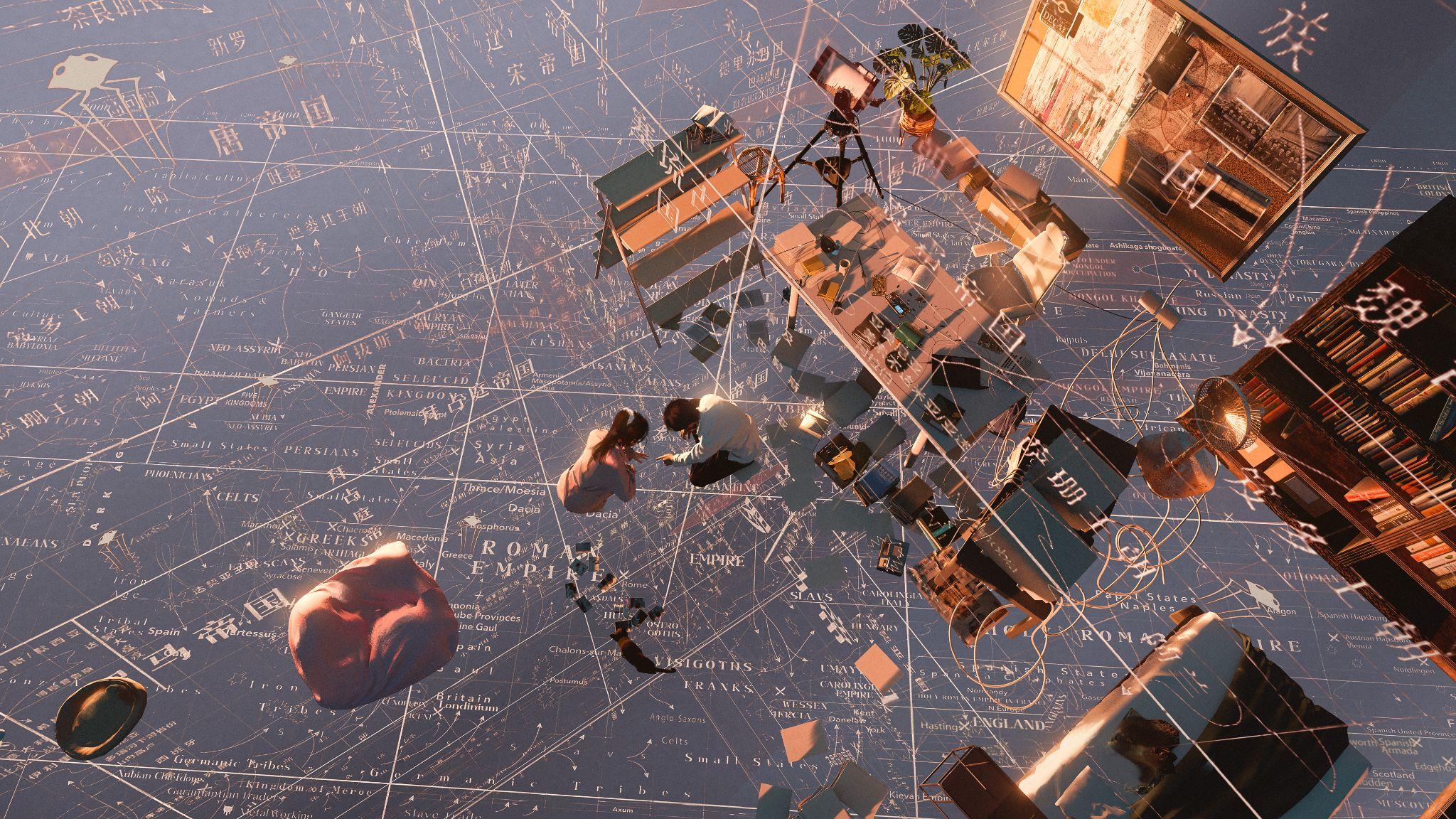
Suvan looked up at the wall across from them.
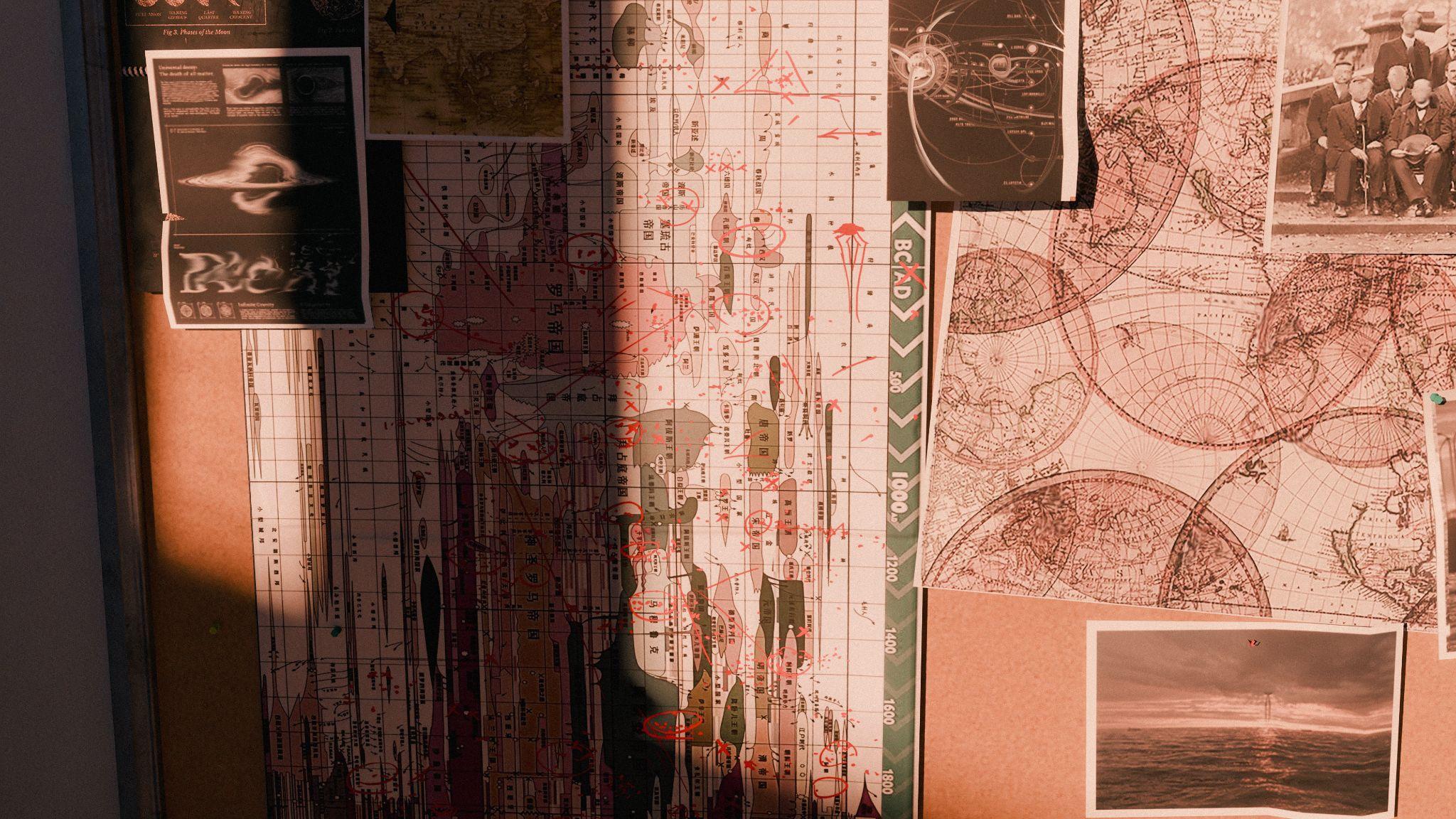
The civilizational timeline pinned there curled slightly at the corners in the fading light.
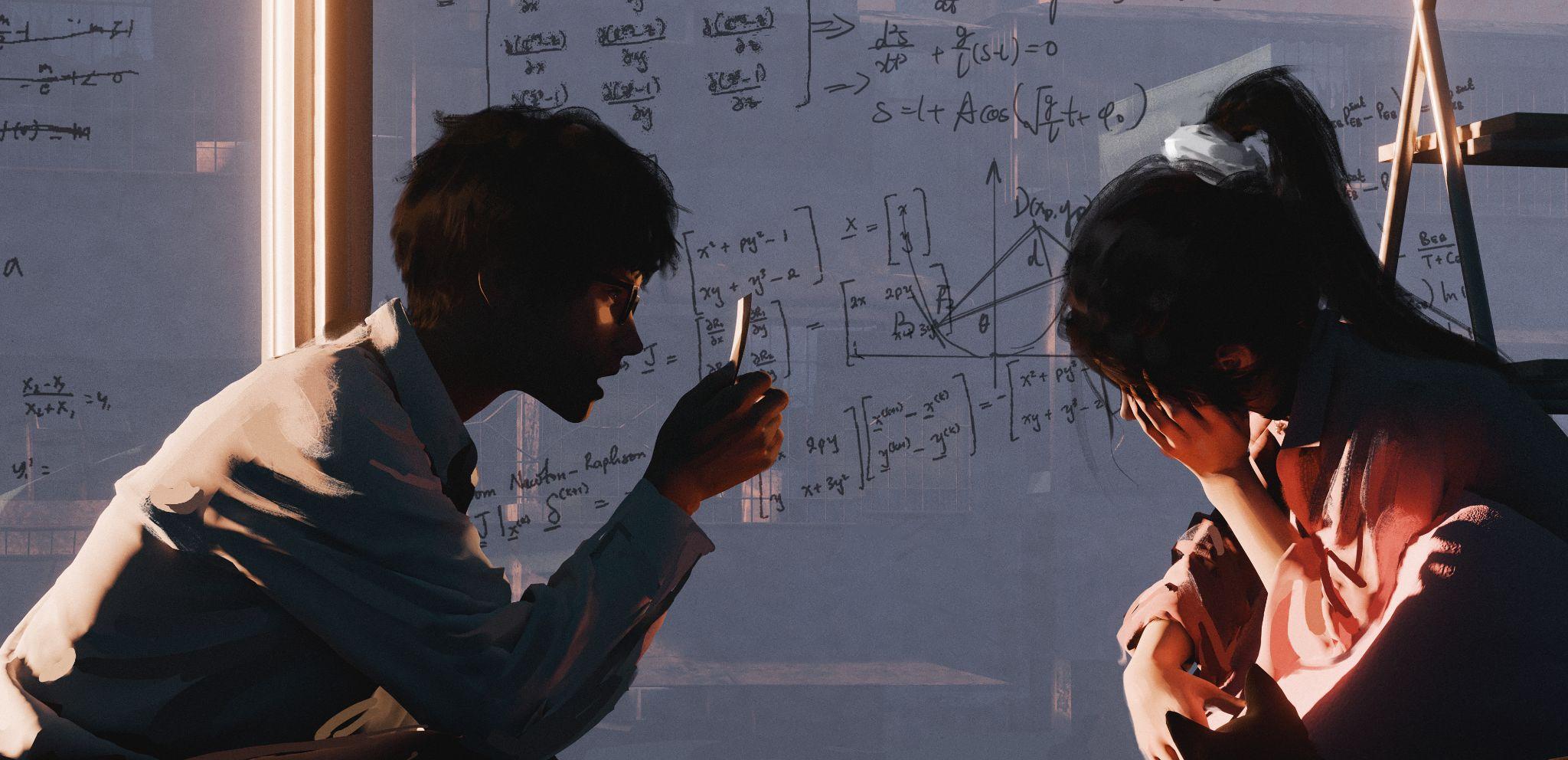
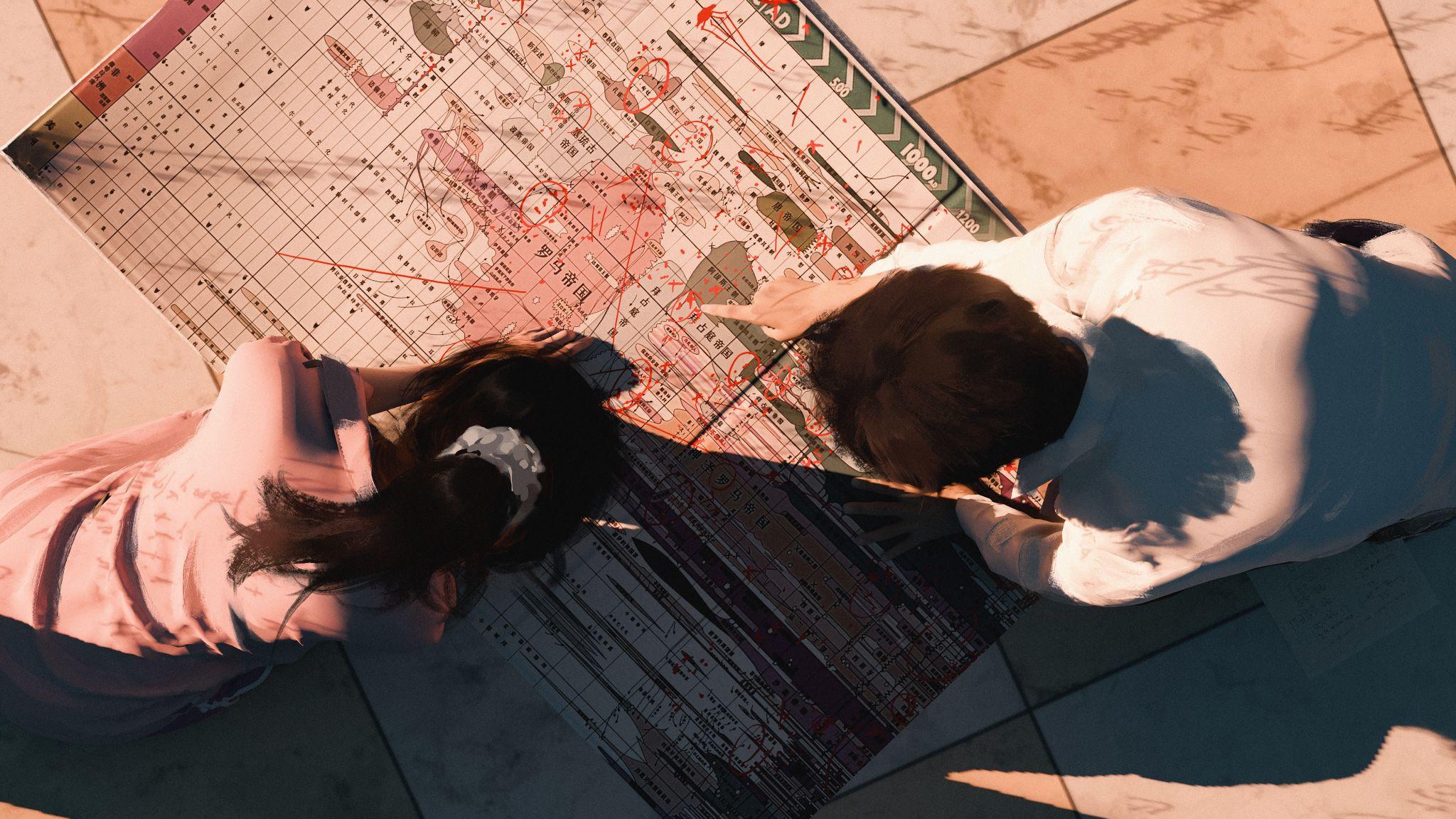
He walked over, unpinned it, and spread it across the floor.
Red dots covered the sheet—like shooting stars strewn across the pages of history.
“These are the Cloud Dweller sightings I marked in the historical record. Look at the dense clusters of red: the late Eastern Zhou during the Warring States period, the late Eastern Han, Rome’s transition from republic to empire, the disintegration of the Maurya Empire, the fall of Ctesiphon and the collapse of the Sasanian Empire, and the two world wars in Europe…”
“Sounds like they all happened during times of war.”
“Not all. There were also many records during golden ages, such as the Zhenguan era of the Tang dynasty and Rome’s age of the Five Good Emperors.”
“Maybe that’s just survivorship bias. In both peace and chaos, people are more inclined to write down what they see as ‘miracles.’”
The open map trembled lightly in the wind, like a stranded prophecy.
The sun had sunk low; outside, the city was soaking in dusk.
Some truth, not yet proven, quietly unfolded in the space between them.
“If everything can be written off as ‘bias,’ then what’s the point of history or science?”
“So... what pattern have you seen?”
“All those ages—both bright and dark— Every one of them marked a turning point in human civilization.”
“Do you think ‘they’ came to witness... or to intervene?”
“That’s what I want to know.”
He fell silent. Then lightly tapped the edge of the map with his finger, as if counting the scattered red dots.
“Do you think... if we’re part of history too... someone will mark us with a red dot?”
“Do you want someone to remember you?”
He didn’t reply.
He simply sat there, quiet, in the fading glow of civilization.
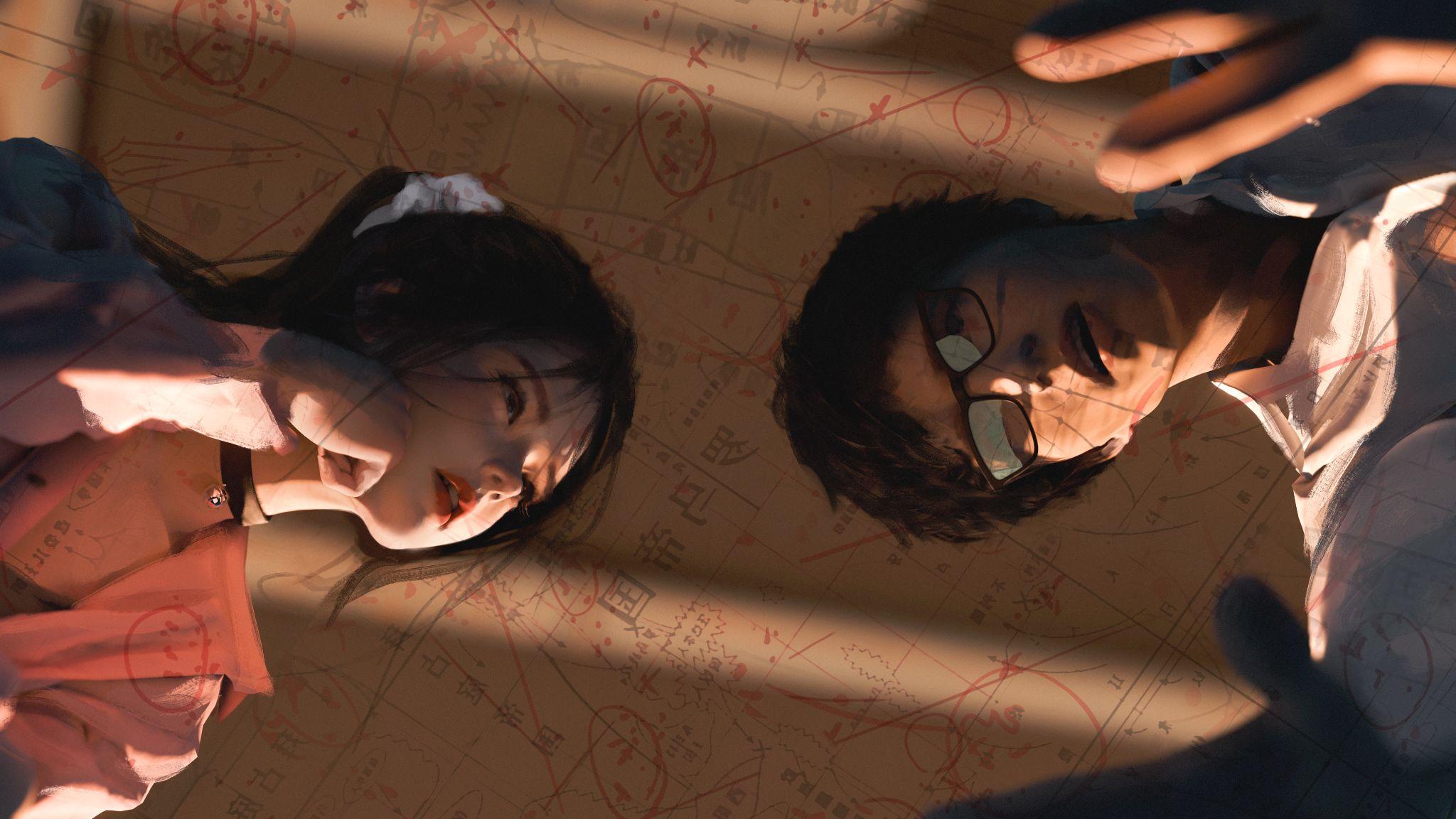
The lines of time extended outward in strange directions, crossing underfoot and creeping up the walls like circuit traces—or perhaps strands of fate.
In the slanting light, the red dots glowed faintly, each one a whisper of a time when CloudInsects had passed and the world had trembled.
At that moment, they were like two drifting specks caught in the great web of time—waiting for the next low hum of the ancient god to echo through the world once more.
“그 카메라 정말 너랑 잘 어울린다. 일부러 90년대에서 시간 여행이라도 온 사람처럼 사는 거야?”
“필름을 현상했을 때 나오는 그 잿빛은 디지털로는 절대 못 만들어.”
“하지만 운충에 이렇게 가까운 곳은……전부 출입 금지 구역으로 지정되는 거 아니야?”
“역시 모범생이네. 운충이 도시를 지날 때나 금지 구역을 만들지, 이런 인적 없는 산골까지 누가 관리해?”
“매번……혼자 가?”
“그럼 넌 내가 매번 혼자이길 바라는 거야?”
“나는……”
“엉뚱한 상상은 그만해. 누가 나랑 이런 바보 같은 짓을 함께하겠어. 자, 이건 아껴 둔 비장의 한 장이야. 넌 틀림없이 관심 있을걸.”
“너무 흐린데……사람 그림자 둘? 망원으로 찍은 거야? 잠깐……”
“너——운중인을 찍은 거야?!”
“확실해?”
“그럼 뭐겠어? 이 비율에, 이 위치면 사람 그림자가 분명 운충 표면에 있잖아——어떻게 찍은 거야?”
“그때 운충이 야를룽창포강을 지났어. 나는 강 계곡 건너편에서 밤새 기다리다가 새벽 다섯 시에 찍었지. 나도 그때 조금 더 가까이 가 보고 싶었어. 그런데 그곳은……이상할 만큼 고요했어. 새소리도, 바람도 없었어. 낮게 웅웅거리는 소리만 고막 안을 맴돌았지. 낯선 두 눈이 나를 빤히 지켜보는 것 같아서, 저도 모르게 뒷걸음치고 싶어져. 더 기이한 건, 돌아와 보니 필름 한 롤이 통째로 빛을 먹었는데 이 한 장만 멀쩡했다는 거야.”
“무섭지 않았어? 인적 하나 없는 황야에 혼자, 거대한 운충에 기묘한 사람 그림자까지……”
“나도 왜 그런지 모르겠어. 외롭고 황량하고, 아무도 대답해 주지 않는 곳……그런 곳에 있으면 오히려 마음이 놓여. 나는 운충이 좋아. 거대하고, 침묵하고, 외로워. 모든 생명을 굽어보면서도 결코 다가오지 않지. ——너무 아름다워. 천 년을 잠든 옛 신이 꿈에서 깨어났더니, 세상에는 이미 제 이름을 기억하는 이가 아무도 없는 것처럼.”
“……너 정말 미쳤구나.”
그녀가 웃었다. 티 내지 않는 도발이 살짝 밴 웃음이었다. 자신은 이미 규칙을 빠져나왔다는 걸 아는 고양이가, 아직도 얌전히 문제를 풀고 있는 사람을 느긋하게 바라보는 듯했다. 비스듬히 내려앉은 빛이 눈꼬리의 희미한 곡선을 밝혔다.
“내가 90년대에서 온 사람 같다며. 그때 애들은 다 들판으로 뛰어나가 놀았어.”
“그래도 그때 운충을 쫓아다니는 애는 없었어.”
두 사람은 함께 웃었다. 짧은 웃음소리가 통유리창으로 스며든 금빛 속에 가볍게 흩어졌다.
마히나는 턱을 괴고 손끝으로 바닥을 가볍게 두드리면서, 시선만 슬쩍 옆으로 흘렸다. 자신의 별난 집착을 미안해하기는커녕, 조금은 뿌듯해하는 듯했다.
수반은 아직 손에 쥔 사진을 내려다보며, 무심코 손가락으로 가장자리를 한 바퀴 쓸었다.
“이 사진, 인터넷에 올린 적 있어?”
“없어. 네가 처음 본 사람이야. ——그래서 말인데, 넌 세상에 정말 ‘운중인’이 있다고 믿어?”
“믿어. 고대 벽화부터 중세 필사본까지, 서로 다른 시대와 문명에서 비슷한 형상을 기록했잖아. 우연일 리 없어.”
“나도 그렇게 생각해. 『시대사』를 읽다가 ‘광추 속 사람’을 운중인으로 해석한 글을 봤어. 우리나라에는 춘추 시대부터 운중인을 노래한 동요가 있었고. 카메라라는 물건은 발명된 지 고작 백여 년밖에 안 됐잖아. 하지만 당시 사람들이 그저 기이한 현상을 묘사했을 뿐이라는 주장도 있어.”
“맞아. 지난 세기 말, 북유럽의 익스트림 스포츠 선수가 낙하산으로 운충에 착륙했어. 그가 가져온 영상에는 표면이 완전히 이음매 없이 닫혀 있고, 먼지 한 조각조차 떼어 낼 수 없는 모습이 담겼지. 생명의 흔적도 전혀 발견되지 않았고.”
“그 일 기억나. 그는 운충이 하나의 완전하고 닫힌 기계 같다고 했지.”
“고대인은 그들을 보고 신이라 했어. 중세 사람들은 ‘구름의 사자’나 ‘빛의 정령’이라 불렀고. 하지만 현대인은 운중인이란 전자기 이상이 만들어 낸 대기 신기루에 불과하다고 하지. 과학 기술이 발전할수록 우리의 상상력은 오히려 메말라 가.”
수반은 고개를 들어 맞은편 벽을 바라보았다.
압정으로 고정한 문명 연대표는 석양 아래서 모서리가 살짝 들려 있었고, 종이는 누렇게 바래 있었다.
그는 다가가 연대표를 벽에서 떼어 내 바닥에 펼쳤다——
빼곡한 붉은 점들이 역사책을 가로지르는 유성처럼 흩어져 있었다.
“사료에 남은 운중인 목격 기록을 내가 표시한 거야. 붉은 점이 몰린 구역을 봐. 분포가 아주 흥미로워——동주 전국 시대 말기, 후한 말기, 로마가 공화정에서 제정으로 넘어가던 시기, 마우리아 제국이 해체되기 전후, 크테시폰이 함락되고 사산 제국이 멸망하던 시기, 그리고 유럽의 1차와 2차 세계대전……”
“듣고 보니 전부 전쟁 시기인데?”
“꼭 그렇진 않아. 당나라 정관 연간이나 로마 오현제 시대에도 기록이 많아. 그때는 황금기였잖아.”
“그건 생존자 편향일 수도 있어. 태평성대든 난세든, 사람들은 ‘신의 기적’을 기록할 이유가 더 많아지니까.”
펼쳐 놓은 도표가 바람에 가늘게 떨렸다. 좌초된 예언 같았다. 해는 이미 서쪽으로 기울고, 창밖 도시는 땅거미에 잠겼다. 아직 증명되지 않은 어떤 진실이 두 사람 사이로 조용히 그림자를 펼치고 있었다.
“모든 걸 ‘편향’ 탓으로 돌리면 역사학과 과학이 존재할 의미가 있을까?”
“그럼 넌 어떤 규칙을 발견했어?”
“빛과 어둠이 공존한 이 시대들은……모두 인류 문명이 격렬하게 요동치던 임계점이었어.”
“그럼 ‘그들’은 지켜보러 온 걸까, 아니면 변화를 밀어붙이러 온 걸까?”
“그게 바로 내가 알고 싶은 거야.”
잠시 침묵한 뒤, 그는 손가락으로 도표 모서리를 가볍게 두드렸다. 흩어진 붉은 점들을 하나하나 세는 듯했다.
“만약 우리도 역사의 일부라면……누가 이 도표에 우리를 붉은 점 하나로 찍어 둘까?”
“누군가 네가 있었다는 걸 기억해 주길 바라?”
그는 대답하지 않았다. 그저 문명의 잔광 속에 조용히 앉아 있었다.
시간의 맥은 기묘한 방식으로 뻗어 나갔다. 뒤얽힌 선들이 발밑에서 사방 벽까지 번져, 거미줄 같기도 하고 운명을 짜는 씨실과 날실 같기도 했다. 종이를 빼곡히 채운 붉은 점들은 희미하게 빛나며, 벌레 울음이 메아리치던 시대들을 기록하고 있었다.
그 순간 두 사람은 허공에 뜬 먼지 두 알 같았다. 시간의 거대한 그물 속에서, 옛 신의 다음 낮은 울음을 기다리고 있었다.
그윽한 벌레 울음,
누가 내 마음을 알리.
운중인은,
물가에 있네.
애달픈 벌레 울음,
누가 내 길을 헤아리리.
광추 속 사람은,
구름 꼭대기에 있네.
——춘추 시대·작자 미상
«Estas fotos… deberías reconocerlas.»
«¿El palacio de Potala? Espera… ¿Eso que hay bajo las nubes es… Pangu? El ángulo es increíble… No me digas que trepaste por algún precipicio para hacerla.»
«No. Solo estaba sobre una plataforma de observación abandonada. El verano pasado fui expresamente tras él: CloudInsect n.º 1, “Pangu”. Seguí su trayectoria prevista en bicicleta hasta el sur del Tíbet.»
«Recorrer el Tíbet en bicicleta mientras persigues a Pangu para fotografiarlo… Tu vida es increíble.»
«¿Alguien como yo merece la envidia de un alumno prodigio como tú?»
«Sí. Muchísima. ¿Las hiciste con… película?»
«Con esta.»
«Esa cámara te pega mucho. ¿Intentas vivir como si hubieras viajado hasta aquí desde los noventa?»
«Ese tono gris que aparece al revelar la película es algo que lo digital jamás podrá reproducir.»
«Pero tan cerca de CloudInsect… ¿No debería ser una zona restringida?»
«Se nota que eres un alumno obediente. Solo crean zonas restringidas cuando un CloudInsect atraviesa una ciudad. En medio de la nada, ¿quién iba a vigilar?»
«¿Siempre vas… sola?»
«¿Te gustaría que siempre fuera sola?»
«Yo…»
«No te hagas ideas raras. ¿Quién iba a querer acompañarme en una locura así? Mira, esta es mi joya mejor guardada. Seguro que te interesa.»
«Está muy borrosa… ¿Dos siluetas? ¿La hiciste con teleobjetivo? Espera…»
«¿Fotografiaste… a los habitantes de las nubes?»
«¿Estás seguro?»
«¿Qué otra cosa podrían ser? Por la escala, por la posición… Esas figuras están sobre la superficie de CloudInsect. ¿Cómo conseguiste la foto?»
«Cuando CloudInsect pasó sobre el Yarlung Tsangpo, esperé toda la noche en la orilla opuesta del valle. Hice la foto a las cinco de la mañana. También quise acercarme un poco más. Pero aquel lugar estaba… extrañamente callado. No cantaban los pájaros, no soplaba el viento. Solo había un zumbido grave que parecía girar dentro de los tímpanos. Sin darte cuenta, querías retroceder, como si unos ojos desconocidos te observaran. Y lo más extraño fue que, al volver, descubrí que todo el rollo se había velado salvo esta foto.»
«¿No tenías miedo? Sola en un paraje desierto, sin nadie alrededor, con ese CloudInsect gigantesco y aquellas figuras inquietantes…»
«No sé por qué, pero esos lugares solitarios, desolados, donde nadie responde… son precisamente los que me hacen sentir a salvo. Me gustan los CloudInsects. Inmensos, silenciosos, solitarios; contemplan a todos los seres desde lo alto, pero nunca se acercan. Son hermosos. Como un dios antiguo que despierta después de dormir mil años y descubre que ya nadie en el mundo recuerda su nombre.»
«…Estás completamente loca.»
Ella sonrió con una provocación apenas disimulada, como un gato que sabe que ha burlado las reglas y observa con pereza a quien todavía resuelve el ejercicio siguiendo cada paso. La luz cayó de lado y encendió una curva casi imperceptible en el extremo de sus ojos.
«¿No decías que parezco salida de los noventa? Los niños de aquella época siempre andaban corriendo por el campo.»
«Pero ninguno perseguía CloudInsects.»
Ambos rieron. Fue una risa breve, que se deshizo suavemente en la luz dorada de los ventanales.
Mahina apoyó la barbilla en una mano y tamborileó el suelo con los dedos mientras desviaba la mirada. No parecía sentir la menor vergüenza por aquella obsesión extraña; más bien estaba orgullosa de ella.
Suvan bajó los ojos hacia la fotografía que aún sostenía y recorrió su borde con un dedo, sin darse cuenta.
«¿Has publicado esta foto en internet?»
«No. Tú eres el primero que la ve. Entonces… ¿crees de verdad que existen los habitantes de las nubes?»
«Sí. Desde los murales antiguos hasta los manuscritos medievales, civilizaciones de épocas distintas dejaron constancia de figuras semejantes. No puede ser una coincidencia.»
«Yo pienso lo mismo. En la Crónica de las Eras leí que algunos identifican a la “figura del cono” con los habitantes de las nubes. En China ya circulaban canciones infantiles sobre ellos durante el período de Primavera y Otoño, mucho antes de que existieran las cámaras. Aunque otros dicen que aquella gente solo intentaba describir fenómenos extraños.»
«Sí. A finales del siglo pasado, un deportista extremo nórdico aterrizó en paracaídas sobre un CloudInsect. Las imágenes que trajo mostraban una superficie totalmente continua: ni siquiera pudo desprender una mota. Tampoco encontró señales de vida.»
«Recuerdo aquel caso. Dijo que CloudInsect era como una máquina íntegra y herméticamente cerrada.»
«Los antiguos los vieron y los llamaron dioses. En la Edad Media fueron “mensajeros de las nubes” o “espíritus de luz”. Nosotros, en cambio, nos limitamos a decir que los habitantes de las nubes son espejismos atmosféricos causados por anomalías electromagnéticas. Cuanto más avanza la tecnología, más pobre parece volverse nuestra imaginación.»
Suvan levantó la mirada hacia la pared de enfrente.
La cronología de las civilizaciones, sujeta con chinchetas, tenía las esquinas ligeramente levantadas bajo el sol poniente. El papel se había amarilleado.
Se acercó, la desclavó de la pared y la extendió en el suelo.
Estaba sembrada de puntos rojos, como meteoros atravesando los anales de la historia.
«Son los avistamientos de habitantes de las nubes que he encontrado en las fuentes históricas. Fíjate en dónde se concentran los puntos: el final de los Estados Combatientes de Zhou oriental, los últimos años de Han oriental, la transición de Roma de república a imperio, la caída del Imperio maurya, la toma de Ctesifonte y el derrumbe del Imperio sasánida, las dos guerras mundiales en Europa…»
«Por lo que dices, parecen épocas de guerra.»
«No todas. También hay muchos registros durante la era Zhenguan de los Tang y la época de los Cinco Buenos Emperadores de Roma. Aquellas fueron edades de oro.»
«Podría ser un sesgo de supervivencia. Tanto en tiempos prósperos como en épocas caóticas, la gente tenía más motivos para dejar constancia de los “milagros”.»
La hoja extendida tembló bajo la brisa, como una profecía varada. El sol ya descendía y la ciudad, tras las ventanas, se hundía en el crepúsculo. Entre ambos comenzaba a desplegar su sombra una verdad aún no demostrada.
«Si todo puede atribuirse a un “sesgo”, ¿qué sentido tienen entonces la historia y la ciencia?»
«¿Y qué patrón ves tú?»
«Todas esas épocas en que la luz y la oscuridad coexistieron… fueron puntos críticos de transformación para la civilización humana.»
«Entonces, ¿“ellos” vinieron a ser testigos… o a impulsar esos cambios?»
«Eso es precisamente lo que quiero averiguar.»
Tras un instante de silencio, golpeó suavemente una esquina del papel con los dedos, como si contara los puntos rojos dispersos sobre él.
«Si nosotros formáramos parte de la historia… ¿quién marcaría un punto rojo por nosotros?»
«¿Quieres que alguien te recuerde?»
Él no respondió. Permaneció sentado en silencio entre los últimos resplandores de la civilización.
Los cauces del tiempo se extendían de un modo extraño. Líneas entrecruzadas reptaban desde sus pies hasta las cuatro paredes, como una telaraña o como la urdimbre del destino. Los densos puntos rojos parecían emitir un resplandor tenue, memoria de épocas en las que resonó el canto de CloudInsect.
En aquel instante eran dos motas de polvo suspendidas en la inmensa red del tiempo, aguardando el próximo murmullo del dios antiguo.
Canta el insecto en la penumbra;
¿quién conoce mi corazón?
El habitante de las nubes
permanece junto al agua.
Doliente canta el insecto;
¿quién se inquieta por mi viaje?
La figura dentro del cono
permanece sobre las nubes.
— Anónimo, período de Primavera y Otoño
« Celles-ci… tu devrais reconnaître ce qu’on y voit. »
« Le palais du Potala ? Attends… sous les nuages, là… c’est Pangu ? Cet angle est incroyable… ne me dis pas que tu as escaladé une falaise pour prendre ça ? »
« Non, j’étais seulement sur une ancienne plate-forme d’observation. L’été dernier, je suis partie exprès à sa poursuite — l’Insecte-Nuage no 1, Pangu. J’ai suivi sa trajectoire prévue à vélo jusque dans le sud du Tibet. »
« Traverser le Tibet à vélo, poursuivre Pangu pour le photographier… ta vie est tout de même incroyable. »
« Quelqu’un comme moi mérite l’envie d’un étudiant brillant comme toi ? »
« Oui. Vraiment. Tu as pris ça… sur pellicule ? »
« Avec ça. »
« Cet appareil te va vraiment bien. Tu fais exprès de vivre comme si tu arrivais tout droit des années quatre-vingt-dix ? »
« Le gris d’une pellicule développée, le numérique ne saura jamais le produire. »
« Mais si près d’un Insecte-Nuage… ce ne devrait pas être une zone interdite ? »
« Tu es bien un élève modèle. On interdit l’accès quand l’Insecte-Nuage traverse une ville. Au fin fond de nulle part, qui viendrait s’en occuper ? »
« Tu y vas toujours… seule ? »
« Et toi, tu aimerais que je sois toujours seule ? »
« Je… »
« Ne va pas t’imaginer des choses. Qui d’autre accepterait de m’accompagner dans ce genre de folie ? Tiens, celle-là, c’est mon trésor caché. Elle va t’intéresser. »
« C’est très flou… deux silhouettes ? Prises au téléobjectif ? Attends… »
« Tu as photographié… des Habitants des nuages ?! »
« Tu es sûr ? »
« Qu’est-ce que ça pourrait être d’autre ? Vu l’échelle et l’endroit, ces silhouettes sont clairement sur la surface de l’Insecte-Nuage. Comment as-tu pris cette photo ? »
« Cette fois-là, l’Insecte-Nuage passait au-dessus du Yarlung Tsangpo. J’ai attendu toute la nuit sur l’autre versant de la vallée. J’ai pris la photo à cinq heures du matin. Moi aussi, j’ai voulu m’approcher. Mais cet endroit… le silence y était étrange. Pas un oiseau, pas un souffle de vent. Seulement un bourdonnement grave qui tournait à l’intérieur des tympans. On avait envie de reculer sans même savoir pourquoi, comme si des yeux inconnus vous observaient. Le plus troublant, c’est qu’à mon retour, toute la pellicule était voilée. Toute, sauf cette photo. »
« Tu n’avais pas peur ? Seule dans un désert inhabité, avec cet Insecte-Nuage gigantesque, ces silhouettes inquiétantes… »
« Je ne sais pas pourquoi, mais les lieux solitaires, désolés, où personne ne répond… ce sont eux qui me rassurent. J’aime les Insectes-Nuages. Immenses, silencieux, solitaires. Ils contemplent les êtres d’en haut sans jamais s’en approcher. Ils sont si beaux. Comme un dieu ancien endormi depuis mille ans qui, en s’éveillant, découvre que plus personne au monde ne se souvient de son nom. »
« … Tu es vraiment folle. »
Elle rit, avec dans son rire un défi presque imperceptible. On aurait dit une chatte qui, sachant avoir contourné les règles, regardait paresseusement celui qui continuait à résoudre les exercices avec application. La lumière tombait en biais et éclairait au coin de ses yeux une courbe à peine esquissée.
« Tu disais que je venais des années quatre-vingt-dix. À l’époque, les enfants adoraient courir dans la nature. »
« Mais à l’époque, personne ne courait après les Insectes-Nuages. »
Ils rirent tous les deux. Un rire bref, qui se dissipa doucement dans la lumière dorée venue de la baie vitrée.
Mahina, le menton dans la main, tapotait le sol du bout des doigts et regardait ailleurs, sans la moindre honte de son étrange obsession — avec même une pointe de fierté.
Suvan baissa les yeux vers la photographie qu’il tenait encore. Sans y penser, son doigt en suivit tout le bord.
« Cette photo, tu l’as déjà publiée en ligne ? »
« Non. Tu es le premier à la voir. Alors… tu crois vraiment que les Habitants des nuages existent ? »
« Oui. Des fresques antiques aux manuscrits médiévaux, des civilisations différentes ont décrit les mêmes silhouettes à des époques différentes. Ce ne peut pas être une coïncidence. »
« Je le pense aussi. Dans l’Histoire des dynasties, j’ai lu que certains interprétaient la Figure dans le cône comme un Habitant des nuages. Il existait déjà chez nous, à l’époque des Printemps et Automnes, des comptines qui en parlaient. Or l’appareil photo n’a guère plus d’un siècle. Mais d’autres disent que les anciens ne faisaient que décrire des phénomènes singuliers. »
« Oui. À la fin du siècle dernier, un sportif de l’extrême nord-européen s’est posé en parachute sur un Insecte-Nuage. Ses images montraient une surface parfaitement lisse, sans un seul joint ; impossible même d’en détacher un grain de poussière. Il n’a trouvé aucun signe de vie. »
« Je m’en souviens. Il a dit que l’Insecte-Nuage ressemblait à une machine complète, fermée sur elle-même. »
« Les anciens les voyaient et parlaient de dieux. Au Moyen Âge, on les appelait Messagers des nuages ou Esprits de lumière. L’homme moderne, lui, se contente de dire que les Habitants des nuages ne sont qu’un mirage atmosphérique causé par une anomalie électromagnétique. Plus la technique progresse, plus notre imagination s’appauvrit. »
Suvan leva les yeux vers le mur d’en face.
La frise chronologique des civilisations, fixée par des punaises, relevait légèrement ses coins dans le soleil couchant. Le papier avait jauni.
Il s’approcha, la détacha du mur et la déploya sur le sol —
Des points rouges la couvraient, pareils à des météores traversant les annales.
« J’ai marqué ici toutes les apparitions d’Habitants des nuages relevées dans les sources historiques. Regarde les zones où les points se concentrent : leur répartition est fascinante. La fin des Royaumes combattants sous les Zhou orientaux, la fin des Han orientaux, le passage de Rome de la République à l’Empire, la période qui entoure la désagrégation de l’Empire maurya, la prise de Ctésiphon et la chute des Sassanides, puis les deux guerres mondiales en Europe… »
« On dirait que ce sont toujours des temps de guerre. »
« Pas toujours. Il existe aussi de nombreux témoignages sous l’ère Zhenguan de la dynastie Tang et pendant le règne des Cinq Bons Empereurs de Rome. C’étaient des âges d’or. »
« Ce n’est peut-être qu’un biais de survivance. En temps de prospérité comme de chaos, on a davantage de raisons de consigner les miracles. »
La carte déployée frémissait dans le vent, telle une prophétie échouée. Le soleil avait sombré ; derrière la fenêtre, la ville baignait dans le crépuscule. Une vérité encore invérifiée étendait silencieusement son ombre entre eux.
« Si l’on ramène tout à un biais, à quoi servent encore l’histoire et la science ? »
« Alors, quel motif as-tu découvert ? »
« Ces époques où la lumière côtoie les ténèbres… toutes, sans exception, sont des points critiques où la civilisation humaine a basculé. »
« Alors, eux, viennent-ils assister au changement… ou le provoquer ? »
« C’est précisément ce que je veux savoir. »
Après un silence, il tapota doucement le bord de la carte, comme s’il comptait les points rouges qui s’y éparpillaient.
« À ton avis, si nous faisions partie de l’histoire… qui poserait un point rouge pour nous sur une carte ? »
« Tu aimerais que quelqu’un se souvienne de toi ? »
Il ne répondit pas. Il resta assis, immobile, dans la dernière lueur de la civilisation.
Les veines du temps se déployaient d’une étrange manière. Sous leurs pieds, les lignes entrecroisées gagnaient les quatre murs, semblables à une toile d’araignée, ou à la trame du destin. Sur le papier, les points rouges brillaient faiblement, mémoires des âges où résonnait le chant de l’Insecte.
À cet instant, ils étaient deux grains de poussière suspendus dans l’immense toile du temps, attendant la prochaine plainte d’un dieu ancien.
Sourd est le chant de l’Insecte,
que sait-il de mon cœur ?
L’Habitant des nuages
se tient au bord des eaux.
Douloureux est le chant de l’Insecte,
que sait-il de ma route ?
La Figure dans le cône
se tient au sommet des nuées.
— Anonyme, époque des Printemps et Automnes
«هذه الصور… يفترض أن تتعرفي إلى ما فيها.»
«قصر بوتالا؟ مهلاً… أهذا الذي تحت السحب… بانغو؟ هذه الزاوية مذهلة… لا تقولي إنك تسلقت جرفًا لالتقاطها؟»
«لا. كنت أقف على منصة رصد مهجورة فحسب. في الصيف الماضي ذهبت خصيصًا لمطاردتها — حشرة السحاب رقم 1، ‹بانغو›. تبعت مسارها المتوقع على دراجتي حتى دخلت جنوب التبت.»
«تجوبين التبت على دراجة وتطاردين ‹بانغو› لتصويرها… حياتك مدهشة حقًا.»
«شخص مثلي يستحق حسد طالب نابغة مثلك؟»
«يستحق، وبكل تأكيد. هل التقطتها… على فيلم؟»
«بهذه.»
«هذه الكاميرا تليق بك فعلًا. هل تتعمدين العيش كأنك جئت من تسعينيات القرن الماضي؟»
«تلك الدرجة الرمادية التي يخرج بها الفيلم بعد التحميض لن تصنعها الكاميرات الرقمية أبدًا.»
«لكن الأماكن القريبة إلى هذا الحد من حشرة السحاب… ألا يفترض أن تكون مناطق محظورة؟»
«أنت طالب مطيع فعلًا. تُقام المناطق المحظورة حين تعبر حشرة السحاب المدن. أما البراري المقفرة، فمن سيأتي ليراقبها؟»
«هل تذهبين دائمًا… وحدك؟»
«وهل تتمنى أن أكون وحدي في كل مرة؟»
«أنا…»
«لا تترك خيالك يشطح. من ذا الذي يرافقني في حماقة كهذه؟ تعال، هذه أثمن صورة خبأتها. ستثير اهتمامك بالتأكيد.»
«فماذا يكونان إذًا؟ بهذا الحجم، وفي هذا الموضع… الظلان فوق سطح حشرة السحاب بوضوح. كيف التقطتِ الصورة؟»
«حين عبرت حشرة السحاب نهر يارلونغ تسانغبو، رابطت طوال الليل على الضفة الأخرى من الوادي. التقطتها عند الخامسة فجرًا. أردت يومها أن أقترب أكثر، لكن المكان… كان ساكنًا على نحو غريب. لا زقزقة طيور ولا ريح؛ فقط طنين منخفض يدور داخل طبلة الأذن. تجد نفسك تتراجع من غير وعي، كأن عينين غريبتين تحدقان فيك. والأغرب أنني حين عدت وجدت لفة الفيلم كلها قد أُتلفت بالضوء، إلا هذه الصورة وحدها.»
«ألم تخافي؟ وحدك في برية لا يسكنها أحد، وحشرة سحاب هائلة، وظلال بشرية غامضة…»
«لا أعرف لماذا، لكن تلك الأماكن الوحيدة المقفرة، حيث لا يجيبك أحد… هي التي تمنحني الطمأنينة. أحب حشرات السحاب. هائلة، صامتة، وحيدة؛ تطل على الخلائق ولا تقترب منها قط. إنها جميلة إلى حد لا يطاق. كإله قديم نام ألف عام، ثم أفاق من حلمه ليجد أن لا أحد في العالم يذكر اسمه.»
«…أنت مجنونة حقًا.»
ضحكت، وفي ضحكتها تحدٍّ مستتر. بدت كقطة تعرف أنها أفلتت من القواعد، ترمق في كسل من لا يزال يحل المسائل كما ينبغي. انحدر الضوء مائلًا، فأضاء انحناءة تكاد لا تُرى عند طرف عينها.
«ألم تقل إنني آتية من التسعينيات؟ أطفال ذلك الزمن كانوا يهربون دائمًا إلى البرية.»
«لكن لم يكن أحد يومها يطارد حشرات السحاب.»
ضحكا معًا. كانت ضحكتهما قصيرة، وتلاشت برفق في الضوء الذهبي المتسلل من النافذة الممتدة إلى الأرض.
أسندت ماهينا ذقنها إلى كفها، وأخذت تنقر الأرض بأطراف أصابعها فيما شرد بصرها جانبًا؛ لا اعتذار في ملامحها عن هوسها الغريب، بل شيء من الزهو.
خفض سوفان رأسه إلى الصورة التي ما زالت في يده، ومرر إصبعه حول حافتها من غير وعي.
«هل نشرتِ هذه الصورة على الإنترنت؟»
«لا. أنت أول من يراها. إذًا… أتؤمن حقًا بوجود ‹سكان السحاب› في هذا العالم؟»
«أؤمن. من جداريات العصور القديمة إلى مخطوطات القرون الوسطى، سجّلت حضارات شتى في أزمنة مختلفة أشكالًا متشابهة. لا يمكن أن تكون مصادفة.»
«وأنا أرى ذلك. حين قرأت ‹تاريخ الحقب› وجدت من يفسر ‹الشخص في المخروط› بأنه واحد من سكان السحاب. ولدينا منذ عصر الربيع والخريف أهازيج أطفال عنهم. أما الكاميرا فلم تُخترع إلا منذ أكثر قليلًا من قرن. ومع ذلك يقول بعضهم إن القدماء كانوا يصفون ظواهر غريبة فحسب.»
«صحيح. في أواخر القرن الماضي هبط رياضي مغامر من شمال أوروبا بالمظلة على حشرة سحاب. أظهرت اللقطات التي عاد بها أن سطحها مصمت بلا فاصل واحد، ولم يستطع حتى اقتلاع ذرة غبار منه. ولم يجد أي أثر للحياة.»
«أذكر ذلك. قال إن حشرة السحاب أشبه بآلة كاملة، مغلقة على ذاتها.»
«رآهم القدماء فسمّوهم آلهة. وسمّاهم أهل القرون الوسطى ‹رسل السحاب› أو ‹أرواح النور›. أما إنسان اليوم فلا يقول إلا إن ‹سكان السحاب› سراب جوي سببه اضطراب كهرومغناطيسي. كلما تقدمت التقنية، ازداد خيالنا فقرًا.»
رفع سوفان رأسه ونظر إلى الجدار المقابل.
كانت أطراف خط الحضارة الزمني المثبّت بالدبابيس تلتوي قليلًا في ضوء الغروب، وقد اصفرّ ورقه.
مشى إليه، نزعه عن الجدار وبسطه على الأرض—
تناثرت عليه نقاط حمراء كثيفة، كنيازك تشق صفحات التاريخ.
«هذه سجلات مشاهدات سكان السحاب التي علّمتها في المصادر التاريخية. انظري إلى المناطق التي تتكاثف فيها النقاط الحمراء؛ توزيعها مثير للاهتمام: أواخر تشو الشرقية في نهاية عصر الممالك المتحاربة، وأواخر هان الشرقية، وانتقال روما من الجمهورية إلى الإمبراطورية، وما قبل تفكك الإمبراطورية الماورية وبعده، وسقوط طيسفون وانهيار الإمبراطورية الساسانية، ثم الحربان العالميتان في أوروبا…»
«يبدو أنها كلها عصور حروب؟»
«ليست كلها كذلك. ثمة سجلات كثيرة أيضًا من عصر تشنغوان في أسرة تانغ، ومن عهد الأباطرة الخمسة الصالحين في روما. كانا عصرين ذهبيين.»
«قد لا يكون ذلك إلا انحياز البقاء. في عصور الرخاء والفوضى على السواء، يجد الناس أسبابًا أكثر لتدوين ‹المعجزات›.»
ارتجفت الخريطة المبسوطة في النسيم كنبؤة جنحت إلى الشاطئ. كانت الشمس قد هبطت، والمدينة خلف النافذة تنغمس في العتمة الأولى. حقيقة لم تُثبت بعد كانت تمد ظلها بصمت بينهما.
«إذا نسبنا كل شيء إلى ‹الانحياز›، فأي معنى يبقى للتاريخ أو للعلم؟»
«وأي نمط رأيت؟»
«هذه العصور التي يتجاور فيها النور والظلام… كلها بلا استثناء نقاط حرجة شهدت تحولات عنيفة في الحضارة البشرية.»
«فهل جاء ‹هم› ليشهدوا التحول، أم ليدفعوه؟»
«هذا ما أريد معرفته.»
صمت هنيهة، ثم نقر بأصبعه طرف الخريطة برفق، كأنه يعد النقاط الحمراء المتناثرة عليها.
«برأيك، إذا كنا جزءًا من التاريخ… فمن سيضع لنا نقطة حمراء على خريطة؟»
«أتريد أن يتذكرك أحد؟»
لم يجب. جلس ساكنًا في الشفق الأخير للحضارة.
امتدت عروق الزمن على نحو غريب. زحفت الخطوط المتقاطعة من تحت أقدامهما إلى الجدران الأربعة، كشبكة عنكبوت، أو كسدى القدر ولحمته. توهجت النقاط الحمراء الكثيفة فوق الورق، تسجل العصور التي تردد فيها نداء الحشرة.
في تلك اللحظة بدوا كذرتي غبار معلقتين في شبكة الزمن الهائلة، تنتظران الهمهمة التالية لإله قديم.
يا نداء الحشرة الخافت،
أنّى لك أن تعرف قلبي؟
يا ساكن السحاب،
أنت عند ضفة الماء.
يا نداء الحشرة الحزين،
أنّى لك أن تدرك مسيري؟
يا ساكن المخروط،
أنت فوق ذروة السحاب.
— مجهول، عصر الربيع والخريف
“Estas aqui… você deve reconhecer.”
“O Palácio de Potala? Espere… aquilo sob as nuvens é… Pangu? Este ângulo é incrível. Não me diga que subiu num penhasco para fotografar?”
“Não. Eu só estava numa plataforma de observação abandonada. No verão passado fui atrás dele de propósito — Pangu, o Inseto-Nuvem nº 1. Segui de bicicleta a rota prevista até o sul do Tibete.”
“Pedalou pelo Tibete perseguindo Pangu para tirar fotos… Sua vida é interessante demais.”
“Alguém como eu merece a inveja de uma aluna brilhante como você?”
“Merece. E muito. Você usou… filme?”
“Usei esta aqui.”
“Esta câmera combina mesmo com você. Você vive de propósito como se tivesse viajado no tempo desde os anos noventa?”
“O tom acinzentado de uma foto revelada em filme é algo que o digital jamais consegue reproduzir.”
“Mas lugares tão próximos do Inseto-Nuvem… não deveriam ser áreas proibidas?”
“Você é mesmo uma aluna obediente. Só interditam a área quando o Inseto-Nuvem atravessa uma cidade. No meio do nada, quem vai fiscalizar?”
“Você vai sempre… sozinho?”
“E você gostaria que eu fosse sempre sozinho?”
“Eu…”
“Não imagine coisas. Quem mais aceitaria me acompanhar numa loucura dessas? Venha. Esta é a foto que eu guardava a sete chaves. Você com certeza vai se interessar.”
“Está tão borrada… Duas silhuetas? Com teleobjetiva? Espere…”
“Você fotografou… Habitantes das Nuvens?!”
“Tem certeza?”
“O que mais seriam? Pela proporção, pela posição… as figuras estão claramente sobre a superfície do Inseto-Nuvem. Como conseguiu esta foto?”
“Naquela vez, o Inseto-Nuvem passou pelo rio Yarlung Tsangpo. Fiquei de vigília a noite inteira no outro lado do vale e fotografei às cinco da manhã. Eu também quis chegar mais perto. Mas aquele lugar… era silencioso de um jeito estranho. Não havia pássaros nem vento. Apenas um zumbido grave circulando dentro dos tímpanos. Você sentia vontade de recuar sem saber por quê, como se olhos desconhecidos o observassem. E o mais esquisito: quando voltei, descobri que o rolo inteiro tinha velado. Só esta fotografia permaneceu intacta.”
“Você não teve medo? Sozinho no ermo, sem ninguém por perto, diante de um Inseto-Nuvem gigantesco e daquelas silhuetas estranhas…”
“Não sei por quê, mas lugares solitários, desolados, onde ninguém responde… são justamente os que me trazem paz. Eu gosto dos Insetos-Nuvem. Imensos, silenciosos, solitários. Contemplam todos os seres, mas nunca se aproximam. São belos demais. Como deuses antigos adormecidos há milênios que, ao despertar, descobrem que ninguém no mundo ainda se lembra de seus nomes.”
“…Você é mesmo louca.”
Ela sorriu. Havia no sorriso uma provocação discreta, como a de uma gata que já encontrara um caminho em torno das regras e agora observava, preguiçosa, quem ainda resolvia os exercícios como mandava o livro. A luz caía de viés e iluminava a curva quase imperceptível no canto de seus olhos.
“Você não disse que eu parecia ter vindo dos anos noventa? Naquela época, as crianças adoravam se meter pelo mato.”
“Mas nenhuma delas corria atrás de Insetos-Nuvem.”
Os dois riram. O riso breve se dispersou suavemente na luz dourada que entrava pelas janelas até o chão.
Mahina apoiou o queixo numa das mãos e tamborilou os dedos no chão, mas desviou os olhos para o lado. Não parecia minimamente arrependida de sua obsessão excêntrica; ao contrário, havia nela certo orgulho.
Suvan baixou os olhos para a fotografia que ainda segurava. Sem perceber, percorreu toda a borda com a ponta dos dedos.
“Você já publicou esta foto na internet?”
“Não. Você é o primeiro a vê-la. Então… acredita que os Habitantes das Nuvens existem de verdade?”
“Acredito. De antigos murais a manuscritos medievais, civilizações de épocas diferentes registraram figuras semelhantes. Não pode ser coincidência.”
“Eu também penso assim. Quando li História das Dinastias, encontrei quem interpretasse ‘o povo dentro do cone’ como referência aos Habitantes das Nuvens. Já no Período das Primaveras e Outonos havia cantigas infantis sobre eles. E a câmera fotográfica só existe há pouco mais de cem anos. Ainda assim, alguns dizem que aquelas pessoas apenas tentavam descrever fenômenos incomuns.”
“Sim. No fim do século passado, um atleta radical do norte da Europa pousou de paraquedas num Inseto-Nuvem. As imagens que trouxe mostravam uma superfície inteiriça, sem uma única emenda; não conseguiu arrancar nem um grão de poeira. Tampouco encontrou sinal de vida.”
“Lembro desse caso. Ele disse que o Inseto-Nuvem parecia uma máquina completa, hermeticamente fechada.”
“Para os antigos, eram deuses. Na Idade Média, chamavam-nos de ‘mensageiros das nuvens’ ou ‘espíritos da luz’. Hoje, as pessoas apenas dizem que os Habitantes das Nuvens são miragens atmosféricas causadas por anomalias eletromagnéticas. Quanto mais a tecnologia avança, mais pobre se torna a nossa imaginação.”
Suvan ergueu os olhos para a parede do outro lado.
Sob a luz do entardecer, as pontas do mapa cronológico da civilização, preso com tachinhas, se curvavam ligeiramente; o papel já amarelecera.
Ele se levantou, soltou o mapa da parede e o estendeu no chão —
Pontos vermelhos cobriam-no como meteoros riscando os anais da história.
“Estes são os avistamentos de Habitantes das Nuvens que marquei nas fontes históricas. Veja como se distribuem as regiões em que os pontos se adensam: o fim do Período dos Reinos Combatentes da dinastia Zhou Oriental; os últimos anos da dinastia Han Oriental; a transição de Roma da República para o Império; a época da desintegração do Império Máuria; a queda de Ctesifonte e o fim do Império Sassânida; e ainda as duas guerras mundiais na Europa…”
“Parece que todas foram épocas de guerra.”
“Nem todas. Também há muitos registros no reinado Zhenguan da dinastia Tang e durante os Cinco Bons Imperadores de Roma. Eram eras de ouro.”
“Talvez seja apenas viés de sobrevivência. Em tempos de prosperidade ou de caos, as pessoas sempre têm mais motivos para registrar ‘milagres’.”
O mapa estendido tremia de leve ao vento, como uma profecia encalhada. O sol já descera, e a cidade lá fora mergulhava no crepúsculo. Uma verdade ainda não demonstrada começava a abrir, silenciosa, sua sombra entre os dois.
“Se tudo puder ser atribuído a algum ‘viés’, que sentido ainda terão a história e a ciência?”
“E que padrão você encontrou?”
“Todas essas eras em que luz e trevas coexistiram… foram pontos críticos de transformações violentas na civilização humana.”
“Então ‘eles’ vieram testemunhar essas mudanças ou provocá-las?”
“É isso que quero descobrir.”
Após um breve silêncio, ele bateu de leve com o dedo na borda do mapa, como se contasse os pontos vermelhos espalhados por ali.
“Se nós também fazemos parte da história… quem marcará um ponto vermelho para nós neste mapa?”
“Você quer ser lembrado?”
Ele não respondeu. Permaneceu sentado, em silêncio, no derradeiro fulgor da civilização.
Os veios do tempo se estendiam de maneira estranha. Linhas entrecruzadas partiam de seus pés e subiam pelas quatro paredes, como uma teia de aranha — ou a trama e a urdidura do destino. No papel, os densos pontos vermelhos brilhavam tenuemente, registrando todas as eras em que ressoara o canto dos insetos.
Naquele instante, os dois pareciam grãos de poeira suspensos na imensa teia do tempo, aguardando o próximo murmúrio do deus antigo.
Sombrio, o canto dos insetos —
como conheceria meu coração?
O habitante das nuvens
está à margem das águas.
Dolente, o canto dos insetos —
por que temeria meu caminho?
O habitante dentro do cone
está no cume das nuvens.
— Anônimo, Período das Primaveras e Outonos
Вот. Думаю, тебе стоит это увидеть.
Дворец Потала? Стоп, а под этими облаками... Это что, Паньгу? Потрясающий ракурс... Не говори мне, что ты залезла на какую-то гору, чтобы это сфотографировать?
Нет, я просто стояла на заброшенной смотровой площадке. Прошлым летом я специально отправилась за облачным насекомым №1 "Паньгу". Я приехала на велосипеде в Тибет, ориентируясь на прогноз его маршрута.
В Тибет на велосипеде... Еще и в погоне за Паньгу, и всё ради этих снимков... Ну и опасная у тебя жизнь.
Разве такая, как я, может вызвать зависть у такого отличника, как ты?
Более чем. Ты что?.. Снимала это... на плёнку?
Да, этим.
Тебе идет. Ты уверена, что ты не путешественница во времени из 90ых?
Пленка придает изображению сероватый оттенок. Цифра не сможет такое воспроизвести.
Но разве места вблизи облачных насекомых не являются запретной зоной?
Типичный отличник. Запретная зона вводится только, когда насекомые проходят через города. А в глуши кому какое дело?
Ты каждый раз... ходишь одна?
А ты хочешь, чтобы я всегда ходила одна?
Я...
Не бери в голову. Кто ещё был бы настолько сумасшедшим, чтобы сделать это вместе со мной? Вот – это моё любимое. Я никому его не показывала. Думаю, тебе понравится.
Такое размытое... две фигуры? Снято с телеобъективом? Постой...
Ты сняла обитателей облаков!?
Ты уверен?
Что это еще может быть? Масштаб, положение... эти фигуры явно находятся на поверхности облачного насекомого. Как ты это сняла?!
В тот раз, когда облачное насекомое проходило над рекой Ярлунг-Цангпо, я всю ночь сидела на противоположном берегу. Сняла это только в пять утра. Я хотела подойти поближе, но там было... подозрительно тихо. Не было ни птиц, ни ветра – только этот низкочастотный гул насекомого, раздающийся в ушах. Появляется это инстинктивное желание отойти назад, будто кто-то незаметно за тобой наблюдает.
А самое странное – когда я пришла домой, вся плёнка была пересвечена... кроме этого кадра.
Разве тебе не было страшно? Одна в глуши, вокруг никого. Огромное облачное насекомое и эти... странные фигуры...
Не знаю почему, но именно такие места — одинокие, пустынные и безлюдные... Они меня успокаивают. Мне нравятся облачные насекомые. Огромные, молчаливые, одинокие – смотрят свысока на всю жизнь, но никогда не приближаются.
Они прекрасны. Словно древний бог, спавший тысячу лет и проснувшийся лишь затем, чтобы обнаружить, что никто уже не помнит его имени."
...Ты и правда сумасшедшая.
[Она улыбнулась, в её взгляде читалась тонкая, неуловимая насмешка, как у кошки, которая уже нарушила все правила и теперь лениво наблюдает за тем, как остальные их соблюдают. Косой луч дневного света зацепил едва заметный изгиб в уголке её глаза]
Разве не ты говорил, что я из 90ых?
В те времена дети обожали убегать на природу.
Конечно, но никто из них не преследовал облачных насекомых.
Они оба рассмеялись. Короткий смех легко растаял в золотом свете, льющемся из высоких окон.
[Они рассмеялись — звук смеха мягко рассыпался в золотом свете, льющемся сквозь окна от пола до потолка. Юэя опёрлась подбородком на ладонь, рассеянно постукивая кончиками пальцев по полу. Её взгляд скользнул в сторону — без тени смущения, а может, даже с лёгкой гордостью за свою странную одержимость. Сиян опустил глаза на фотографию в руке, невольно проводя пальцами по её краям.]
Суван опустил глаза на фотографию, которую всё ещё держал, и бессознательно провёл пальцем по её краю.
Ты выкладывала это в интернет?
Нет.
Ты первый, кому я это показала. Так ты веришь в существование облачных людей?
Верю. От древних фресок до средневековых манускриптов — цивилизации на протяжении веков запечатлевали похожие образы. Это не может быть простым совпадением.
Я тоже так думаю.
Когда читала историю династий — кто-то истолковал выражение "Человек в конусе" как упоминание обитателей облаков.
Есть даже детская песенка из периода Вёсен и Осеней про это.
А пленочные камеры? Им чуть больше века. Некоторые считают, что это всего лишь описание необычного природного явления людьми того времени
Ага. В конце прошлого века один скандинавский экстремал прыгнул с парашютом прямо на облачное насекомое. Кадры, которые он получил, показали гладкую поверхность: ни пылинки, ни царапины, вообще никаких признаков жизни.
Я помню тот случай.
Он сказал, что насекомое ощущалось как цельная, замкнутая машина.
Древние люди видели их и называли богами. В средневековье их звали "Небесными Вестниками" или "Духами Света". А современная наука? Она объясняет это оптическими иллюзиями — атмосферными миражами, вызванными электромагнитными аномалиями. Чем больше мы развиваемся, тем хуже становится наше воображение.
[Сиян поднял взгляд на стену напротив.
Там висел большой лист с временной шкалой цивилизаций, края которого чуть свернулись от времени.
Он подошёл, аккуратно снял его и разложил на полу.
Поверхность была усыпана красными точками — словно звёзды, рассыпанные по страницам истории.]
Я отметил все задокументированные упоминания обитателей облаков. Видишь эти скопления? Конец эпохи Сражающихся царств в Китае, закат Восточной Хань, переход Рима от республики к империи, распад империи Маурьев, падение Ктесифона и гибель державы Сасанидов, Первая и Вторая мировые войны в Европе...
Выходит, что во время войн их видели чаще?
Не только.
Немало упоминаний приходится и на времена расцвета — такие, как эпоха Чжэнгуань при Танской династии или правление Пяти Благородных Императоров в Древнем Риме.
Возможно, это всего лишь ошибка выжившего.
И в мирные, и в смутные времена у людей есть причины записывать то, что они считают чудом.
[Карта слегка дрожала на ветру, словно напоминая о чём-то важном. Солнце уже скрылось, и город за окном тонул в сумерках. Между ними медленно нарастало ощущение чего-то неизбежного — ещё не сказанной правды]
Если всё сводится лишь к искажениям восприятия, тогда зачем вообще нужны история и наука?
Итак... какую закономерность ты заметил?
Все эти эпохи, светлые и темные, без исключения становились поворотными моментами в истории человечества.
Как думаешь, "они" пришли, чтобы стать свидетелями… или чтобы вмешаться?
Это я и хочу узнать.
[Помолчав, он слегка постучал пальцами по краю карты — будто считал разбросанные на ней красные точки.]
Как ты думаешь, если мы — часть истории... кто-то когда-нибудь отметит нас красной точкой?
Ты хочешь, чтобы кто-то запомнил тебя?
Он не ответил. Только молча сидел в угасающем свете цивилизации.
[Он не ответил — просто сидел молча, в отблесках угасающей цивилизации. Нити времени тянулись странным образом, их пересечения расползались от пола к стенам, как паутина или как ткань судьбы. Красные точки слабо мерцали — каждая из них была шёпотом о времени, когда проходили облачные насекомые и мир замирал. В этот миг они были словно две пылинки в воздухе — зависшие в великой сети времени, в ожидании нового, глухого зова древнего бога.]
В тот миг они казались двумя пылинками, зависшими в огромной сети времени и ожидавшими нового рокота древнего бога.